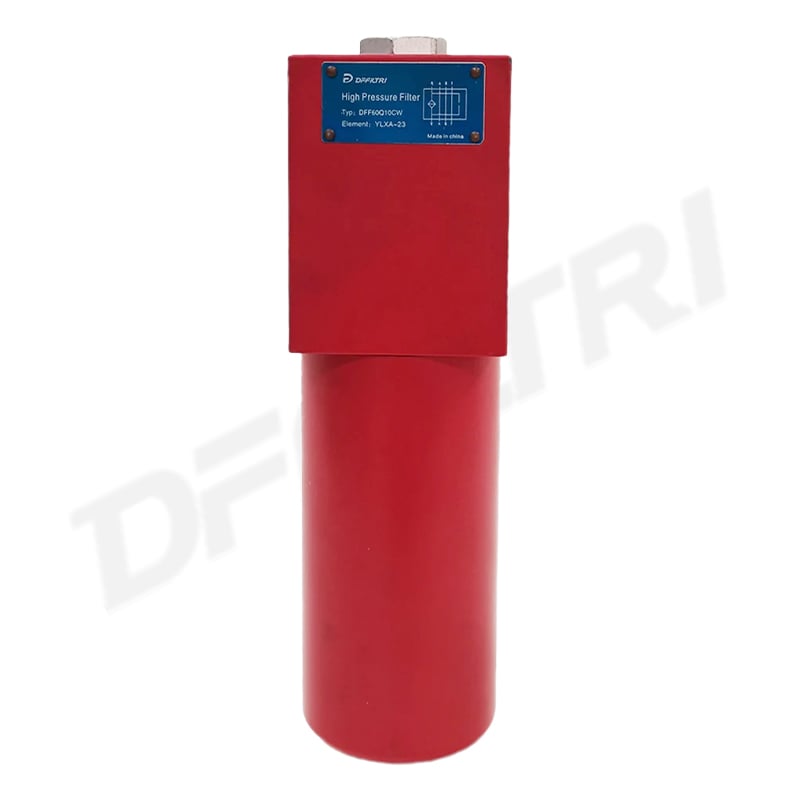
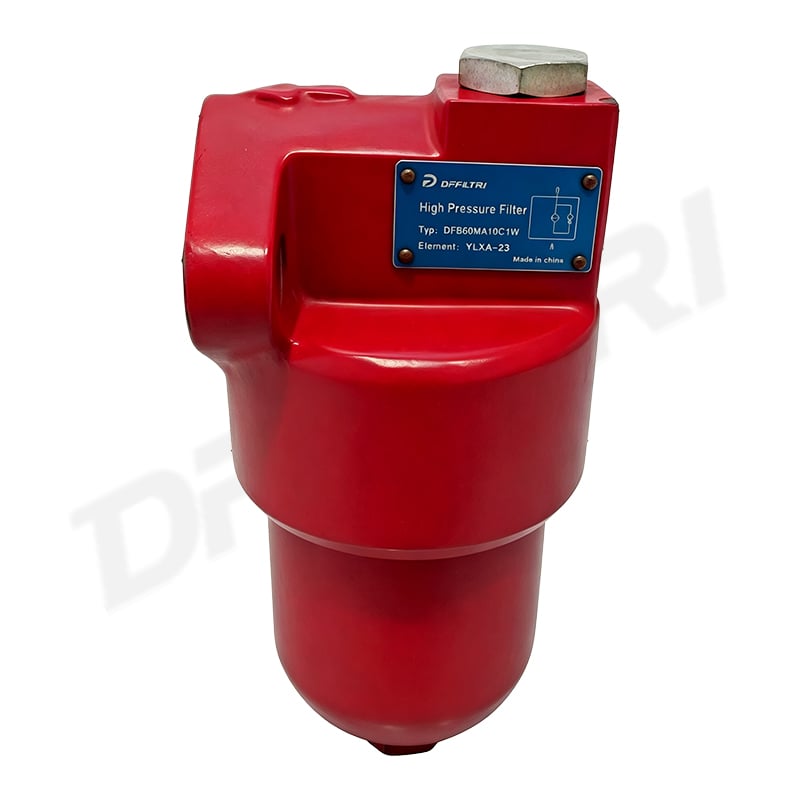
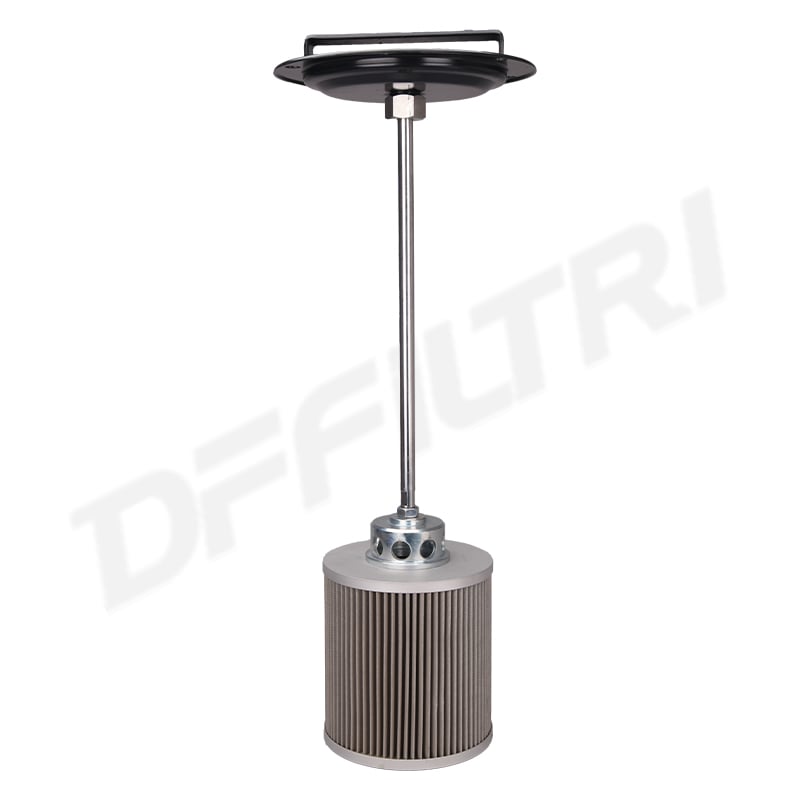
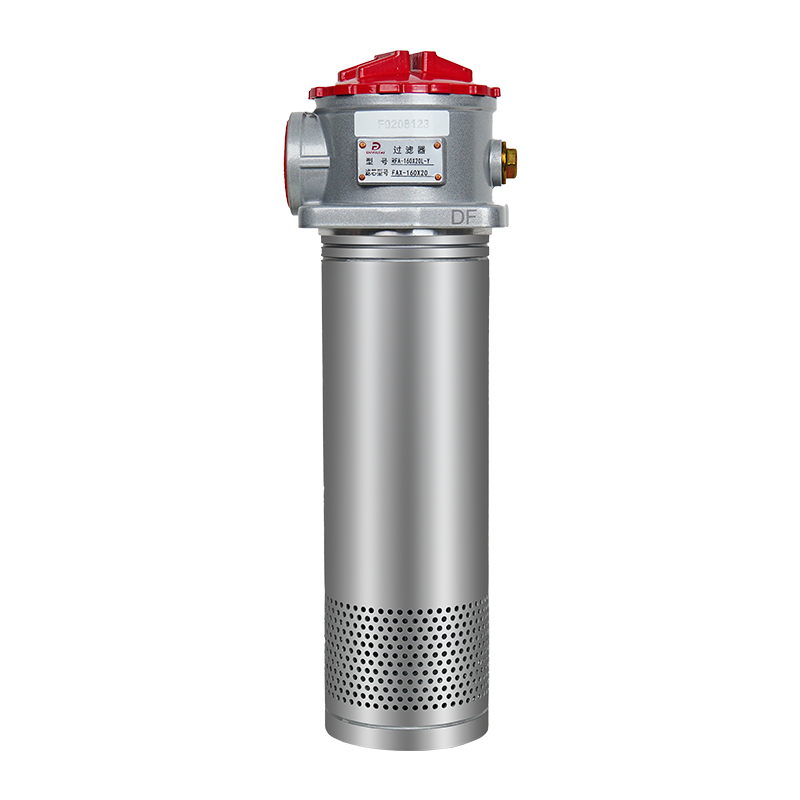
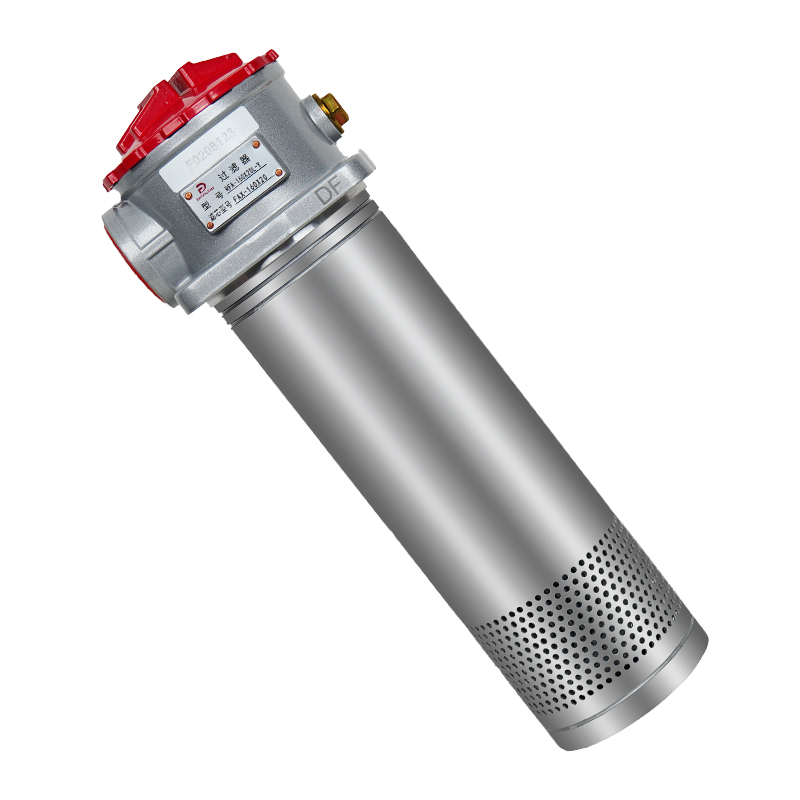
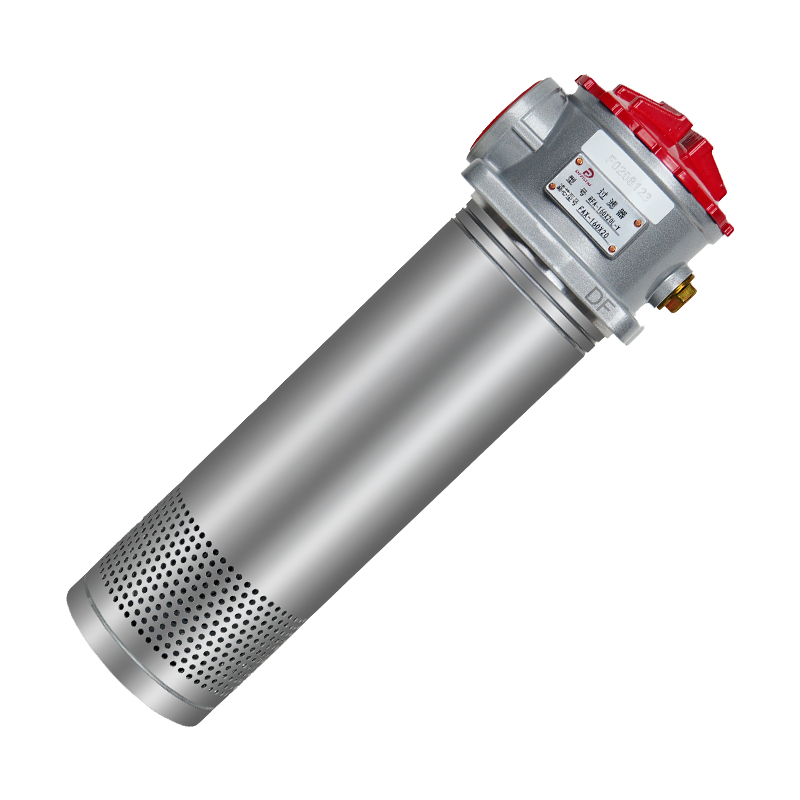
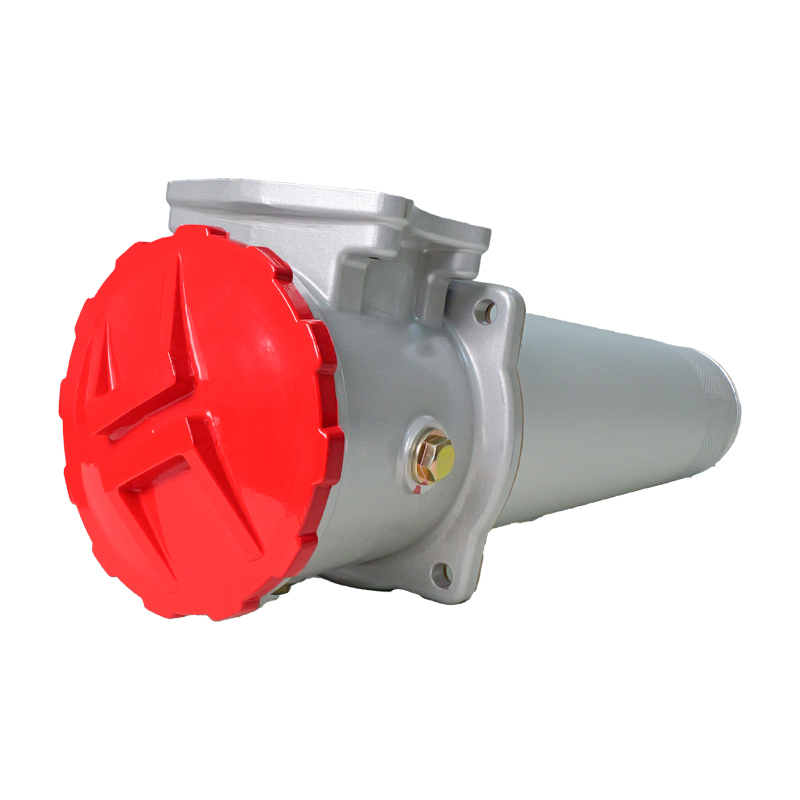
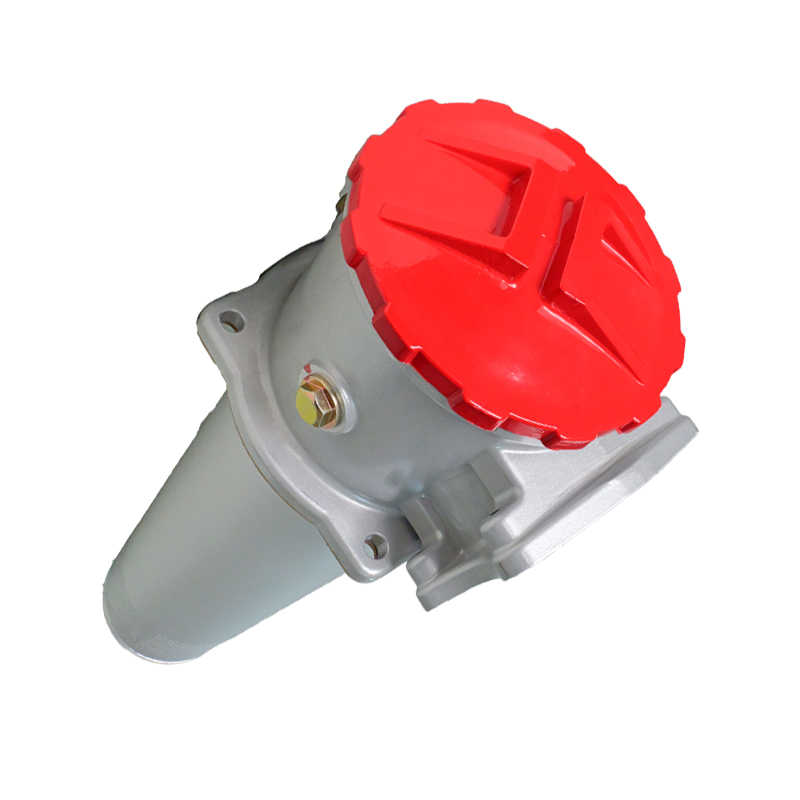
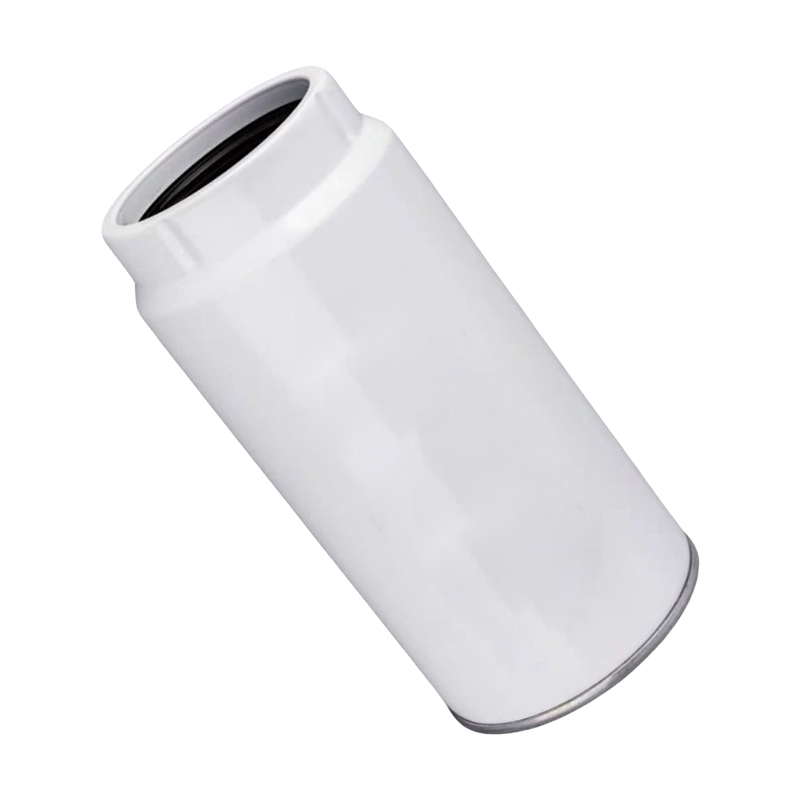
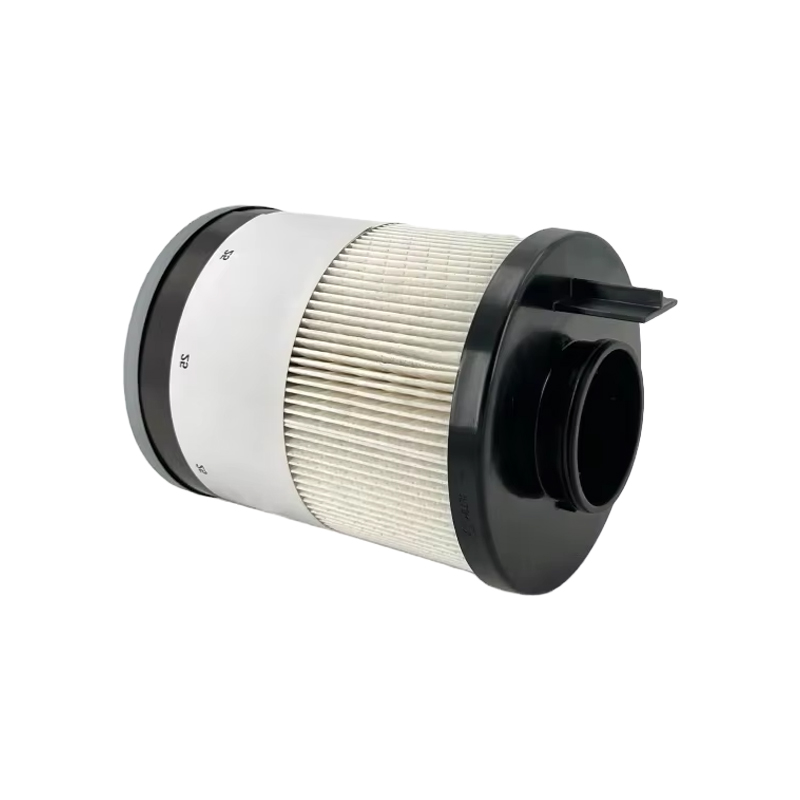
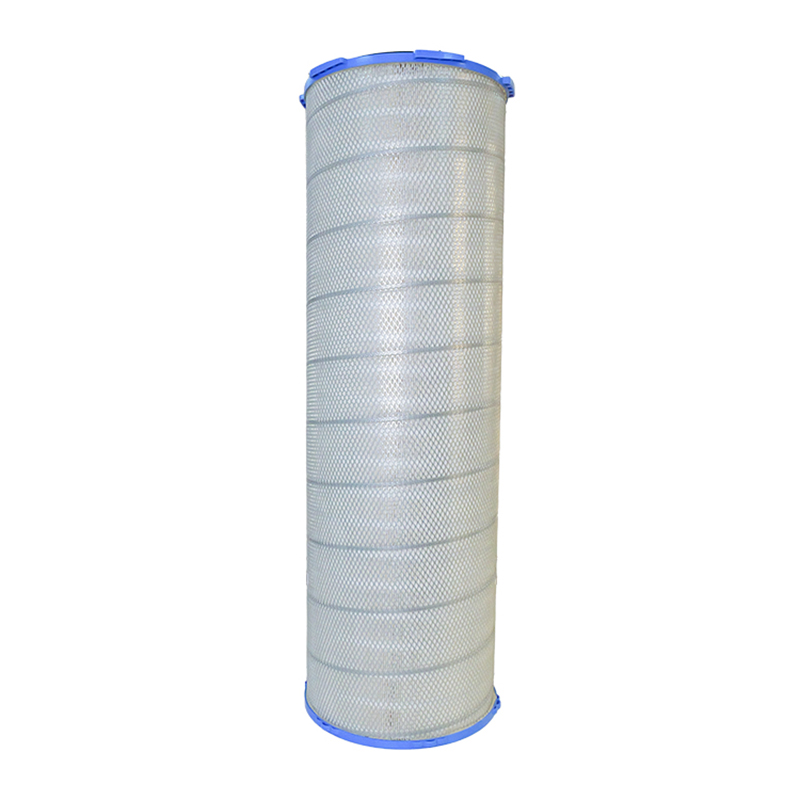
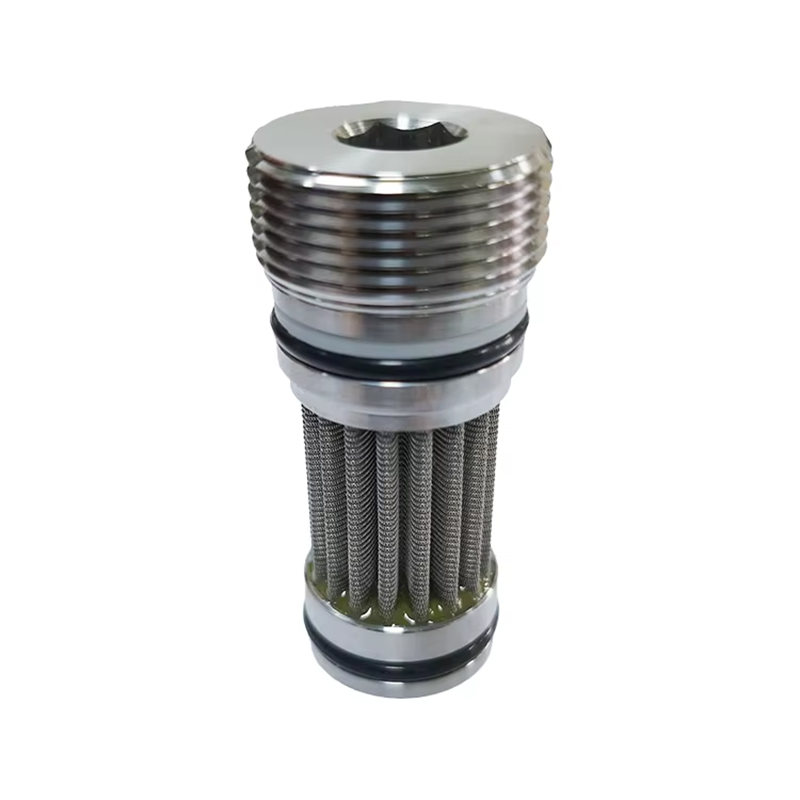
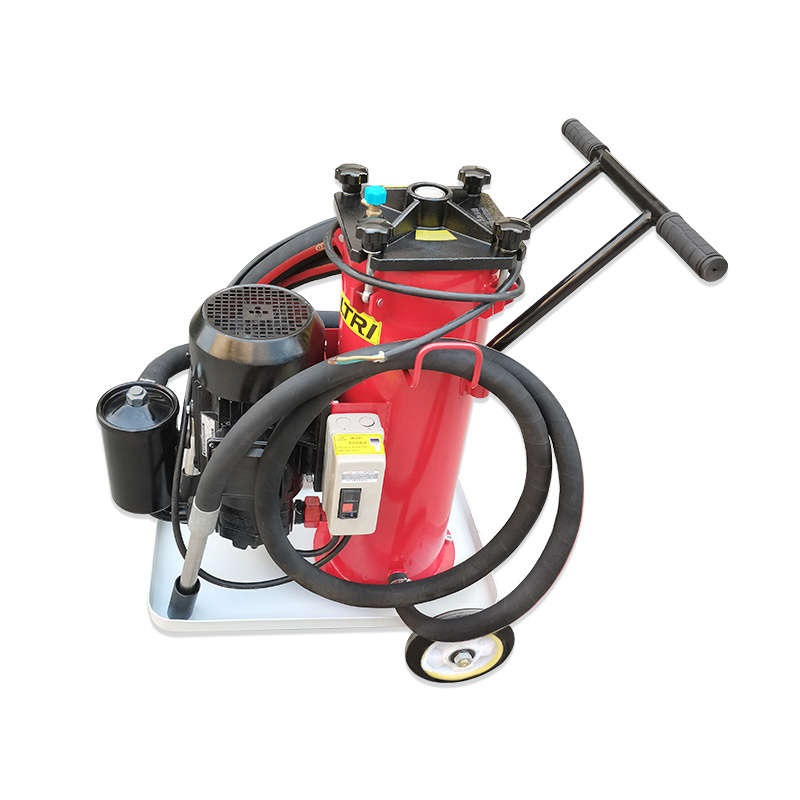
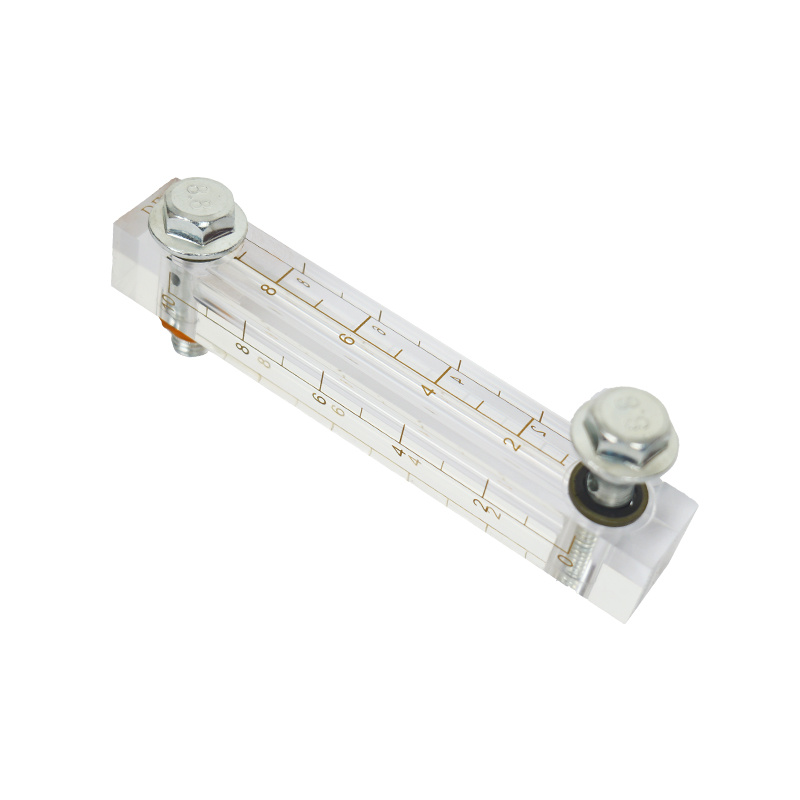
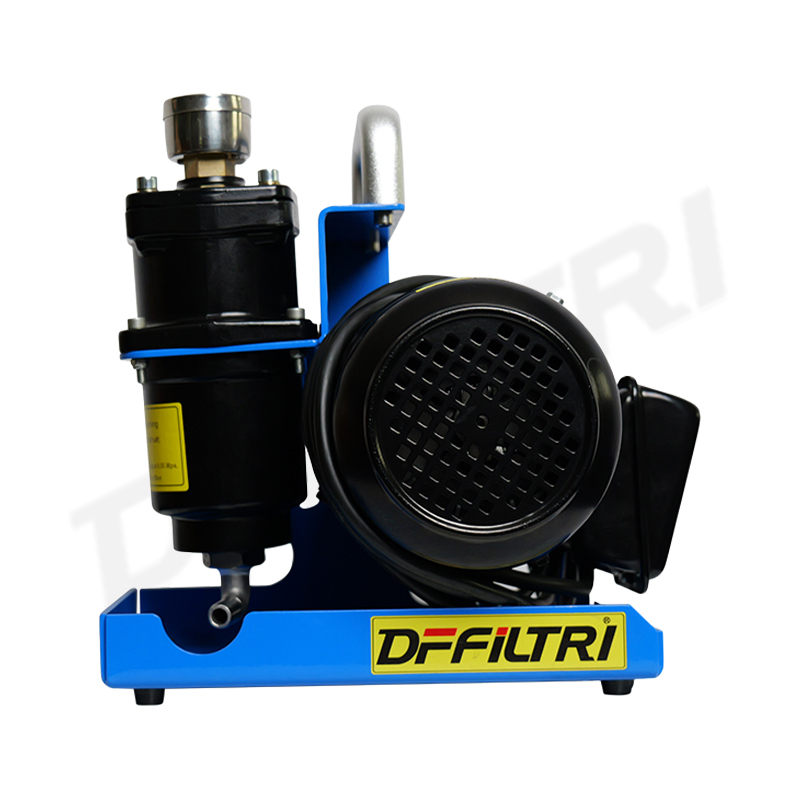
The RFA series miniature direct return oil filter is used for precision filtration of hydraulic system return oil, which can filter out metal particles and rubber impurities and keep the oil clean. Its compact structure and easy installation are equipped with bypass valves, diffusers, and transmitters, which can improve system reliability and facilitate the replacement of filter elements.
The hydraulic system is the "heart" of industrial equipment, and the cleanliness of the oil is the core element to ensure its stable operation. The RFA series micro direct return oil filter, as a key purification component of hydraulic systems, adopts an innovative design of "filter head exposed+cylinder immersed in oil". The filter unit is directly integrated into the top or side wall of the oil tank, achieving "one-stop purification" of the return oil path. Its core function is to intercept metal particles, rubber debris, oxidation products and other pollutants in the return oil of the system through high-precision filter elements, prevent secondary pollution, and ensure system safety through intelligent devices such as bypass valves and diffusers, extend the life of hydraulic components, and reduce maintenance costs.
| Brand Name | DFFILTRI |
| Nominal flow rate (L/min) | 25,40,63,100,160... |
| Connection method | threaded connection or flange connection |
| Tongjing (mm) | 15,20,25,32,40... |
1. High precision filter element
The RFA series filter element adopts a composite material of glass fiber and stainless steel metal mesh, with a filtration accuracy covering 1-30 μ m and a filtration ratio β 3 ≥ 200 (i.e., the filtration efficiency for particles larger than 3 μ m is ≥ 99.5%).
2. Intelligent bypass valve
When the filter element is clogged and the inlet pressure rises to 0.35MPa, the built-in pollution transmitter triggers an audible and visual alarm, prompting the replacement of the filter element; If the pressure continues to rise to 0.4 MPa, the bypass valve will automatically open, allowing the oil to bypass the filter element and return directly to the oil tank, preventing the oil pump from being emptied or the system pressure from dropping sharply. This design is particularly important in ship hydraulic systems - when the filter is blocked by impurities caused by wave turbulence, the bypass valve can ensure the continuous operation of key equipment such as servos, avoiding navigation risks.
3. Diffuser
The diffuser is located at the bottom of the return oil cylinder, and through optimized flow channel design, the return oil flows smoothly into the oil tank, reducing the generation of bubbles. In the reverse osmosis water pretreatment system of the electronics industry, the application of diffusers can reduce the risk of air mixing and avoid damage to the pump body caused by cavitation; At the same time, its smooth return flow state can reduce the disturbance of deposited pollutants and prevent secondary pollution.
4. Modular structure
The filter head is made of aviation grade aluminum alloy material, which has strong corrosion resistance; The cylinder supports tubular (M18 × 1.5 thread) or flange (DN15-DN90) connections and can be flexibly installed on the top, side walls, or bottom of the fuel tank. For example, in the vibration environment of mining machinery, flange connection design can ensure the stable operation of filters and avoid oil leakage problems caused by loose pipelines.
1. In the metallurgical industry, in the hydraulic systems of rolling mills and continuous casting machines, the RFA series micro direct return oil filter can withstand high temperature oil, efficiently filter oxide scale and metal debris, ensure the normal operation of precision components such as servo valves and proportional valves, and reduce the frequency of downtime maintenance.
2. In the petrochemical industry, for media such as water ethylene glycol and synthetic lubricating oil in refining and chemical production, the RFA series micro direct return oil filter offers the option of 316L stainless steel filter element, which has strong corrosion resistance and a lifespan 2-3 times longer than traditional filter elements, reducing replacement costs.
3. In the lubrication system of thermal power or nuclear electrical turbines, the RFA series micro direct return oil filter has a filtration accuracy of 3 μ m and can intercept micron sized particles to prevent bearing wear; Its compressive strength design of 1.6MPa can meet the requirements of high-pressure working conditions.
4. Precision manufacturing: In the hydraulic systems of injection molding and die-casting machines, the RFA series micro direct return oil filter efficiently filters out impurities to avoid mold wear and improve product yield; Its compact design saves machine space and is suitable for narrow installation environments.
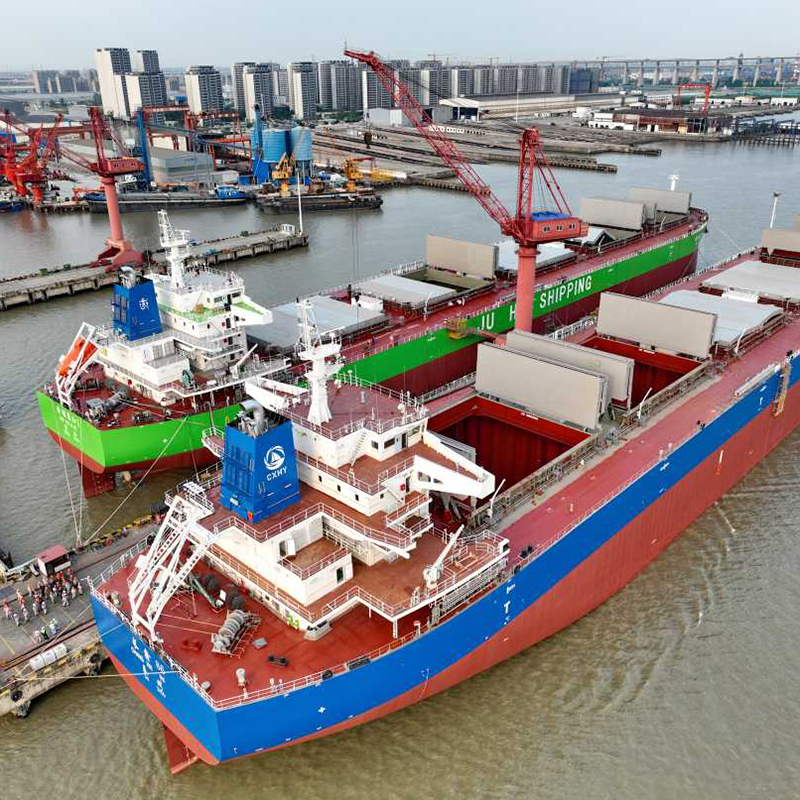
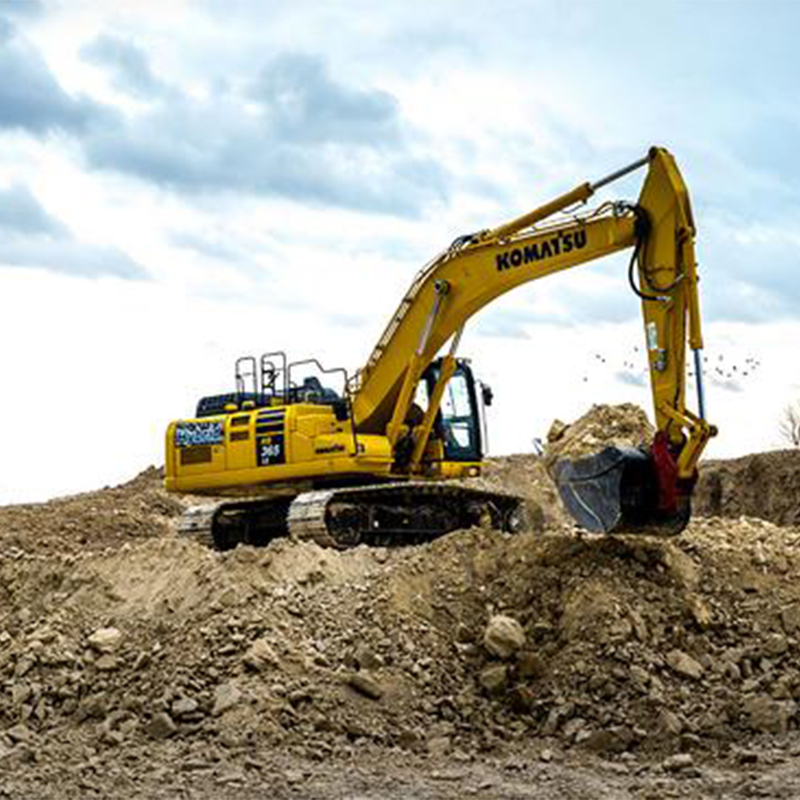
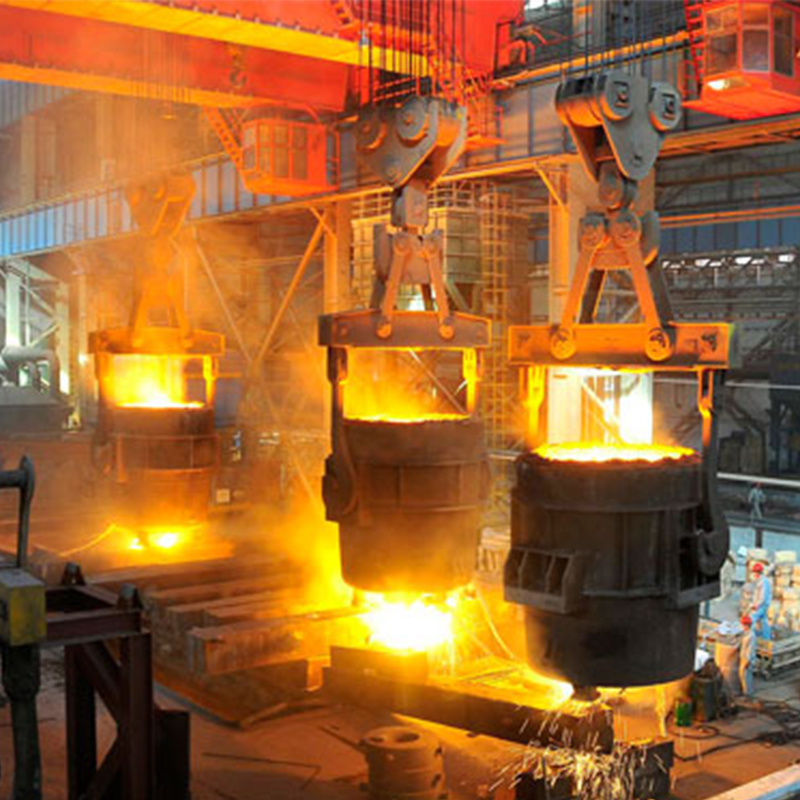
1. Structural innovation simplifies pipelines and reduces overall costs. Traditional oil return filtration requires additional configuration of shut-off valves, fittings, and brackets, while the RFA series integrates the filtration unit directly into the fuel tank, simplifying pipeline layout by 40% and reducing installation costs by 30%. For example, in the renovation of ship hydraulic systems, this design can save valuable engine room space while reducing the risk of oil leakage.
2. The material is durable and suitable for harsh working conditions. The filter head of the RFA series micro direct return oil filter is made of high-grade aluminum alloy, which is resistant to salt spray corrosion; The filter element supports stainless steel metal mesh and glass fiber composite material, with a compressive strength of 1.6MPa and a lifespan twice that of paper filters.
3. Customized services to meet personalized needs, supporting customized production of filtration accuracy (1-30 μ m), flow rate (25-1000L/min), connection method (thread or flange), and can adapt to the needs of special media.
1. Frequent alarms still occur after replacing the filter element
Reason
The new filter element did not exhaust, and the air was not completely discharged during installation, resulting in obstruction of oil flow.
The system contamination has not been completely removed, leaving a large amount of impurities in the fuel tank or pipeline, quickly contaminating the new filter element.
Solve
Exhaust operation, loosen the top exhaust plug of the filter element, slowly open the inlet valve, and tighten the plug after the oil overflows without bubbles.
Before cleaning the system and replacing the filter element, rinse the oil tank and pipelines with low viscosity hydraulic oil for more than 30 minutes, and replace with new oil.
2. The filter produces loud noise during operation
Reason
The viscosity of the oil is too high, causing the oil to thicken in low temperature environments and generate turbulence when passing through the filter element.
Internal components are loose, and the fixing screws of the bypass valve spring or diffuser are loose.
Solve
Heat up or change the oil, preheat the oil to above 40 ℃ before starting in winter, or switch to low-temperature hydraulic oil.
Tighten the components, check the bypass valve and diffuser, and tighten the loose parts with a wrench.
3. The fuel tank level drops, but there are no signs of oil leakage
Reason
The back pressure of the return oil is too high, and the filter is clogged or the bypass valve is malfunctioning, causing oil to overflow from the breathing cap.
Emulsification of oil and evaporation of water mixed into the oil result in a false decrease in liquid level.
Solve
Check the back pressure and test the pressure at the oil return port with a pressure gauge. If it is greater than 0.3MPa, clean or replace the filter element.
Oil testing, take oil samples and use a moisture tester to test. If the moisture content is greater than 0.1%, replace the oil and check for leaks in the cooler.
 EN
EN