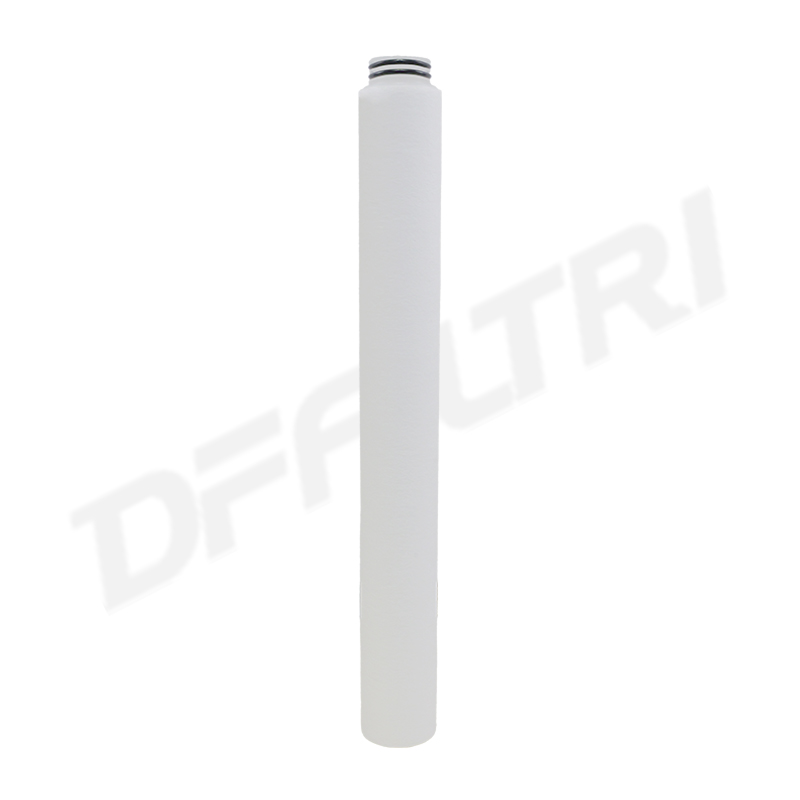
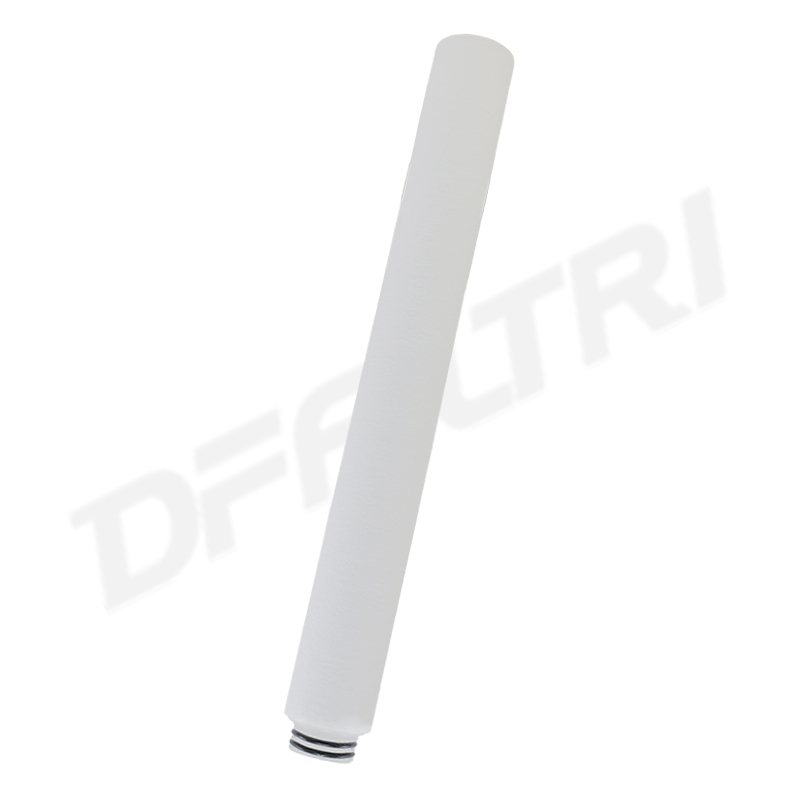
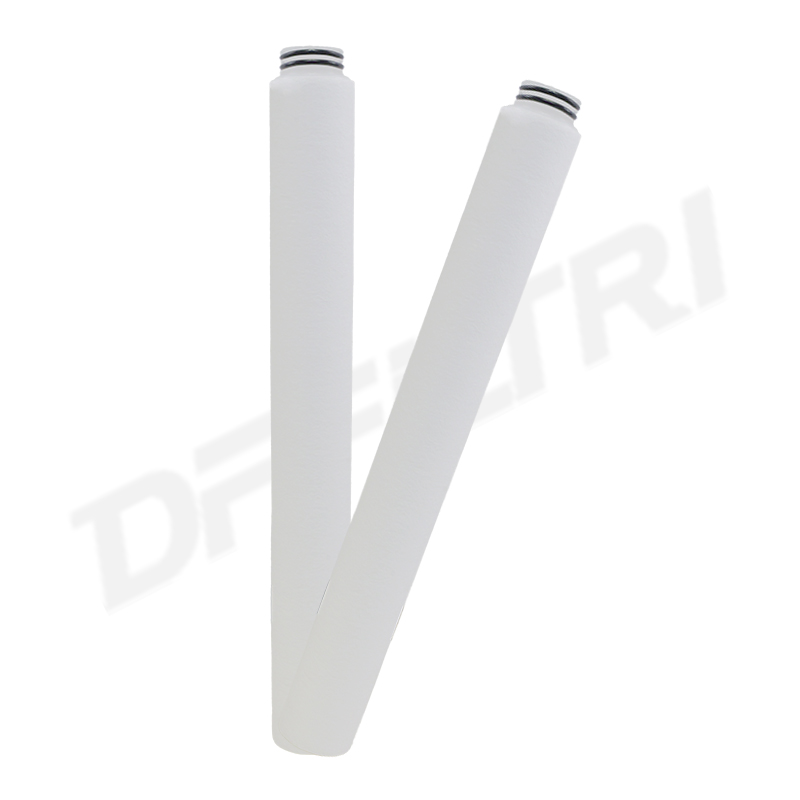
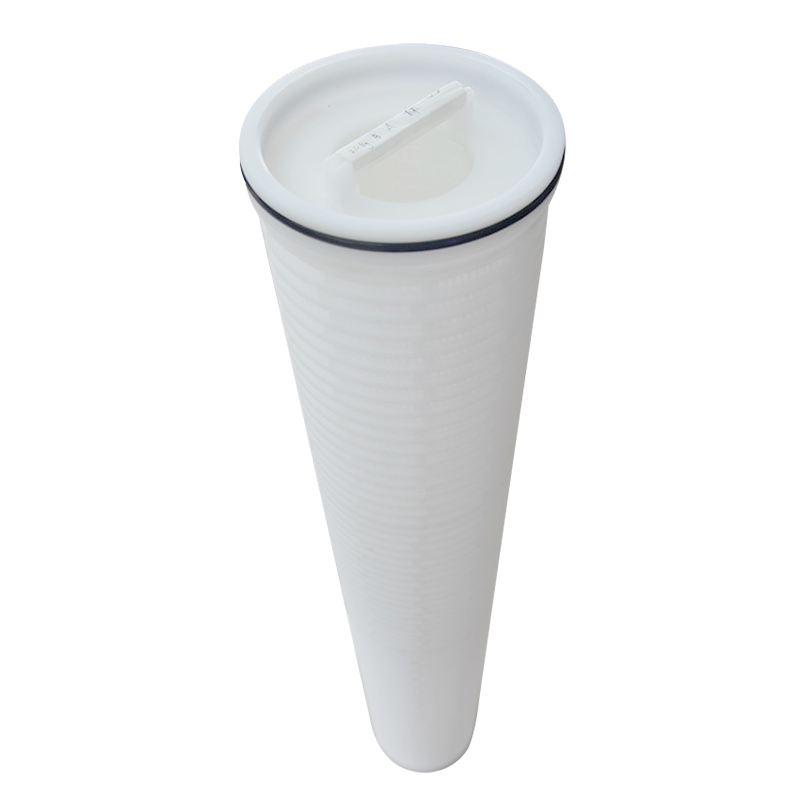
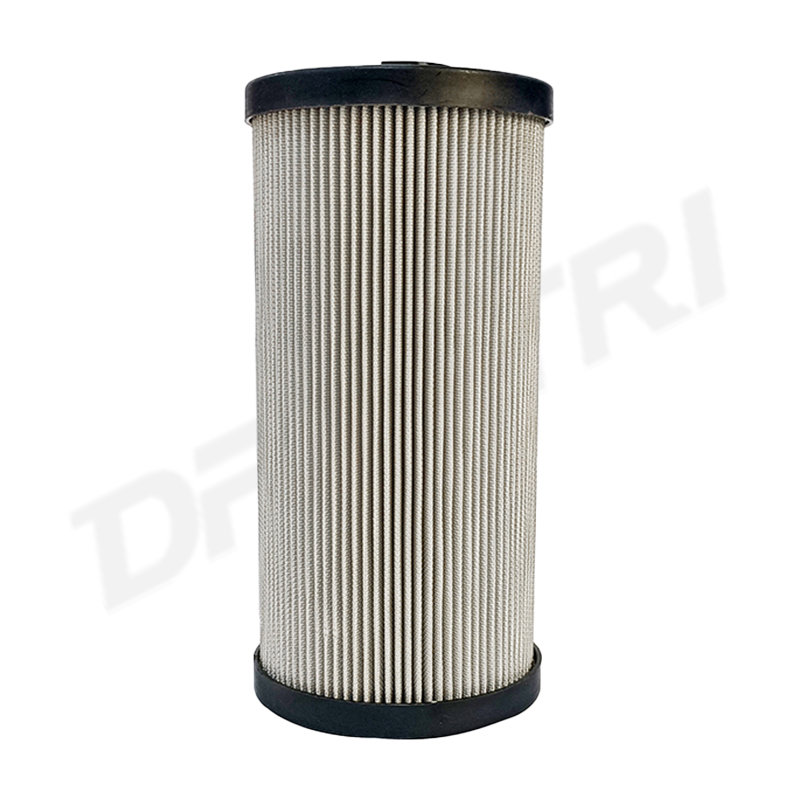
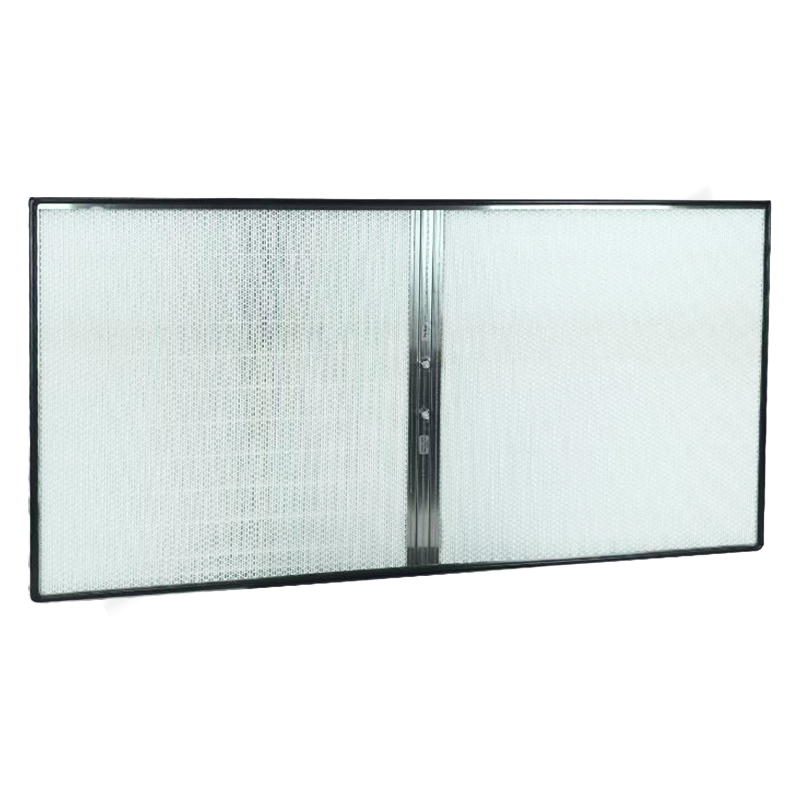
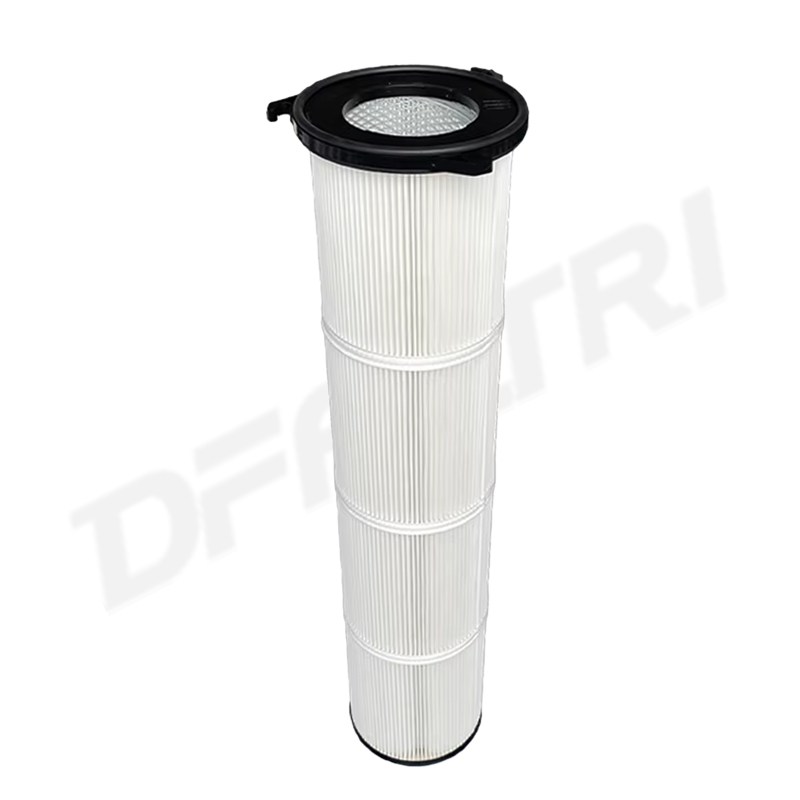
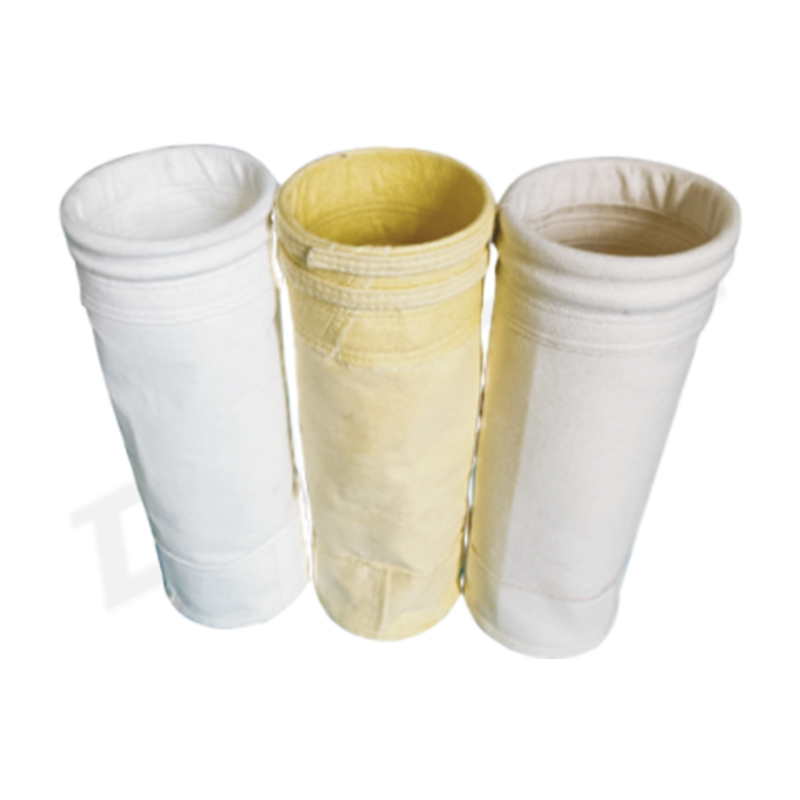
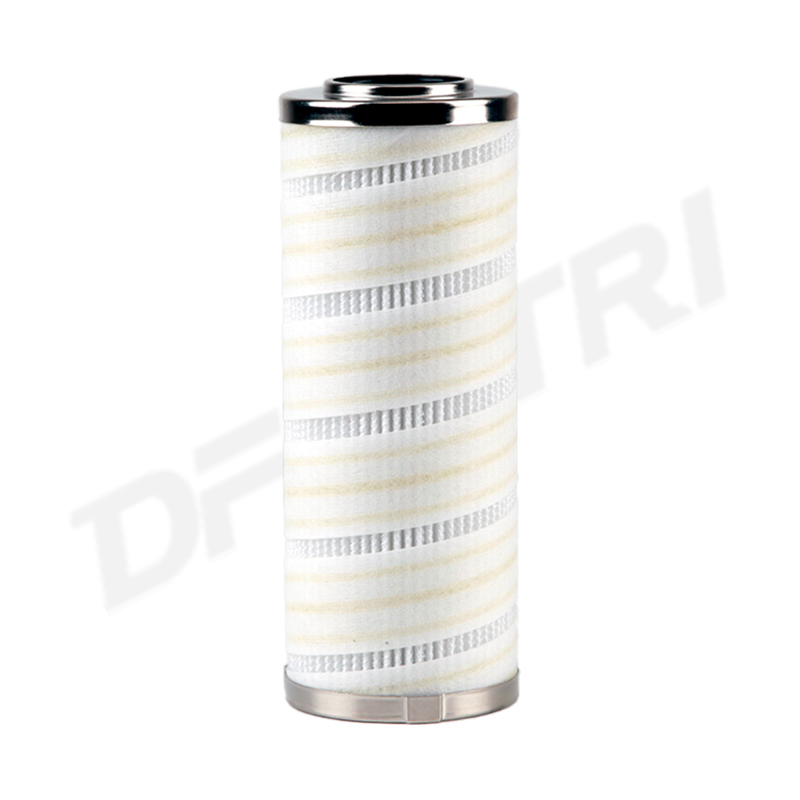
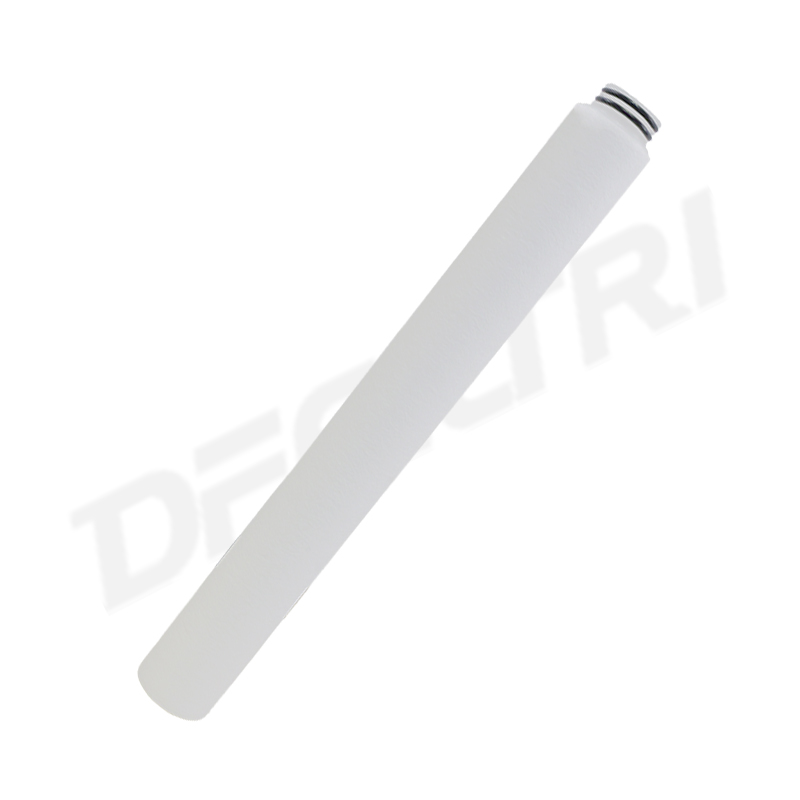
The POF series microporous folding filter cartridge is formed by integral hot melt welding process, with no adhesive throughout the process to avoid secondary precipitation pollution. The outer layer of the gradient folding filter layer can intercept large volume impurities first, while the inner layer's micropores accurately intercept micron sized particles. The filter material has good chemical compatibility and can withstand most conventional weak acids, weak bases, and organic solvents. High filtration area combined with low flow resistance, suitable for precision fluid filtration scenarios in multiple industries, can stably improve fluid purity, extend the service life of filter cartridges, and reduce comprehensive operation and maintenance costs.
The POF series microporous folding filter cartridge is a core purification component in fluid precision filtration scenarios, designed to intercept micrometer sized suspended particles, colloidal impurities, and trace pollutants in liquids. It relies on its uniformly distributed microporous structure to achieve efficient physical interception and complete purification treatment without changing the physical and chemical properties of the fluid itself. It is compatible with the standard installation interface of most conventional precision filtration systems and can be quickly put into use without complex modifications to existing equipment, providing stable basic filtration support for various fluid purification scenarios.
| Brand Name | DFFILTRI |
| Core filter material | deep folding polypropylene, optional fiberglass/polyester composite filter material |
| Filtering accuracy | 0.1μm, 1μm, 5μm, 20μm, 30μm, 50μm |
| Standard length | 10 inches, 20 inches, 30 inches, 40 inches |
This POF series microporous folding filter cartridge is formed using an integral hot melt welding process, with no adhesive components throughout the process to avoid secondary precipitation pollution. The filter layer adopts a gradient folding arrangement structure, with the outer layer being a large pore pre filter layer that can intercept slightly larger impurities, and the inner layer being a dense microporous fine filter layer that accurately intercepts small particles of the target particle size. The overall filter material has good chemical compatibility and can withstand most common weak acids, weak bases, and conventional organic solvents. At the same time, it balances the characteristics of high effective filtration area and low fluid flow resistance, without causing additional operational burden on the front-end conveying equipment while ensuring filtration accuracy.
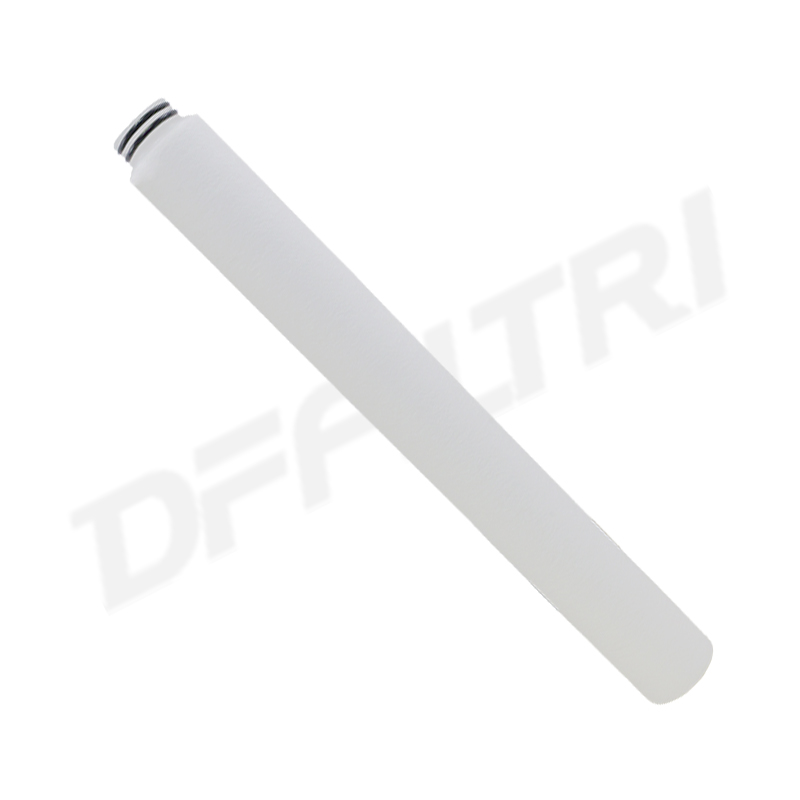
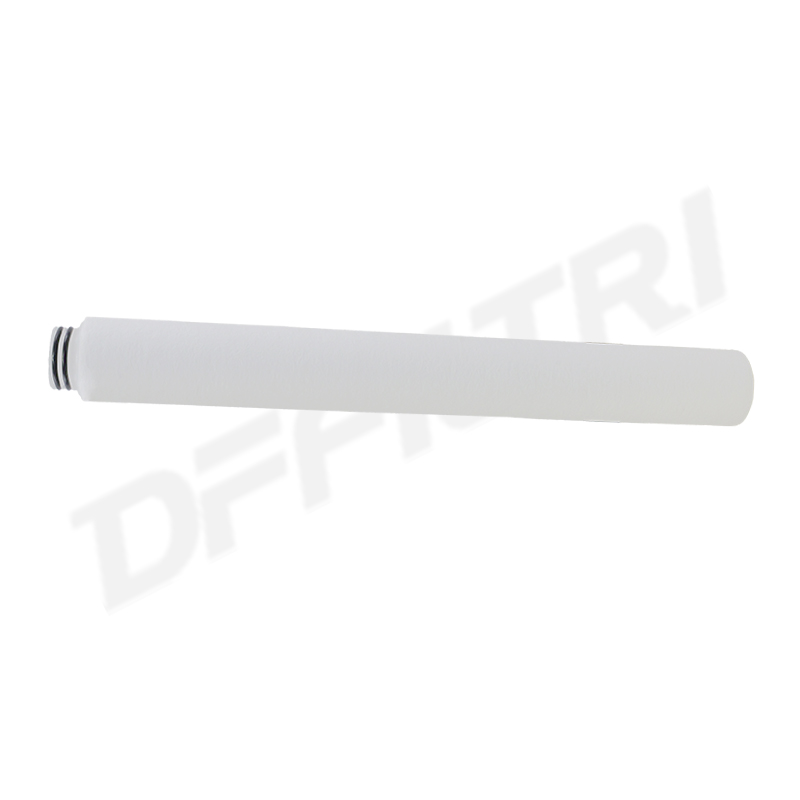
The application scenarios of the POF series microporous folding filter cover fluid precision filtration processes in multiple industries, including terminal water purification pretreatment in the water treatment industry, clarification filtration of liquid and solvent in the chemical industry, security filtration of beverage terminals in the food and beverage industry, ultra pure water terminal purification in the electronics industry, and can also be adapted to liquid filtration in the daily chemical industry, laboratory small-scale fluid purification and other scenarios. Whether it is normal continuous production filtration or small batch high-precision fluid purification needs, it can play a stable interception role, help downstream processes reduce impurity interference, and improve the purity of the final product.


Compared to similar filtering components, the competitive advantages of this POF series microporous folding filter are mainly reflected in three aspects. Firstly, the overall welding structure without hot melt adhesive completely eliminates the risk of impurity precipitation caused by adhesive, ensuring a higher purity of the filtered fluid; Secondly, the gradient folding filter layer design significantly improves the overall pollutant holding capacity, which can effectively extend the service life of the filter element and reduce the frequency of frequent replacement under the same usage environment; The third is the broad chemical tolerance performance that adapts to more types of fluid working conditions, without the need to frequently replace filter cartridges with corresponding materials for different fluids, reducing the comprehensive use and operation costs for users.
In daily use, there are also several common problems that can be encountered. If there is still a small amount of turbidity in the filtered fluid, you can first check whether the sealing structure during the installation of the filter element is misaligned and leaking, adjust the position of the sealing element, and tighten the end cap to solve the problem; If there is a significant decrease in system flow, it is likely that the pores inside the filter element are blocked by impurities. The filter element can be removed and rinsed with clean reverse fluid at low pressure. If the flow rate still does not recover after flushing, a new filter element can be replaced directly; If there is a rapid increase in operating pressure, check whether the front-end pretreatment process has failed and restore the front-end pretreatment effect in a timely manner to avoid the filter element from clogging too quickly.
 EN
EN