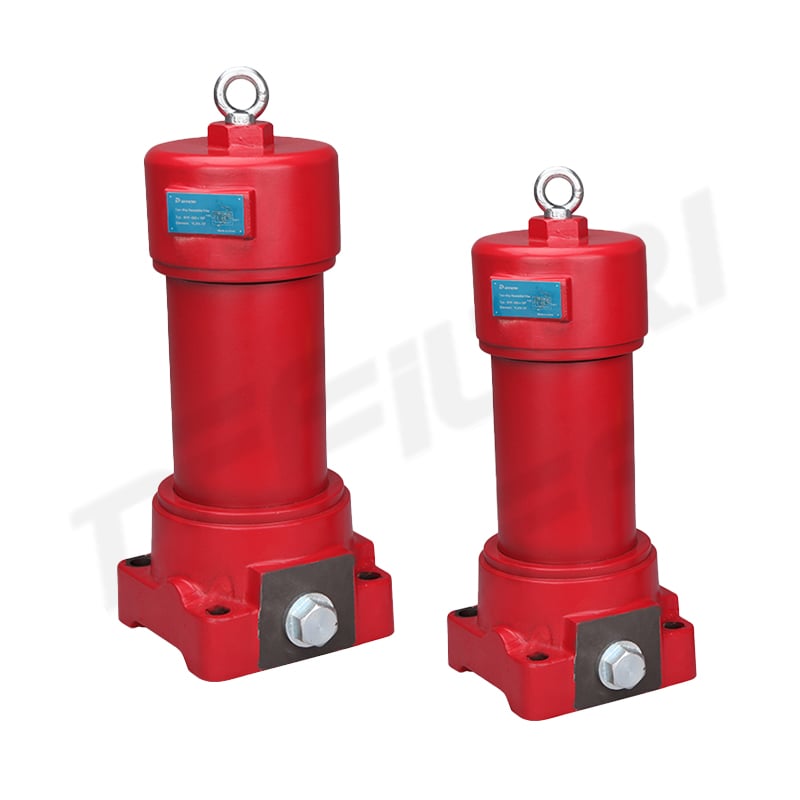
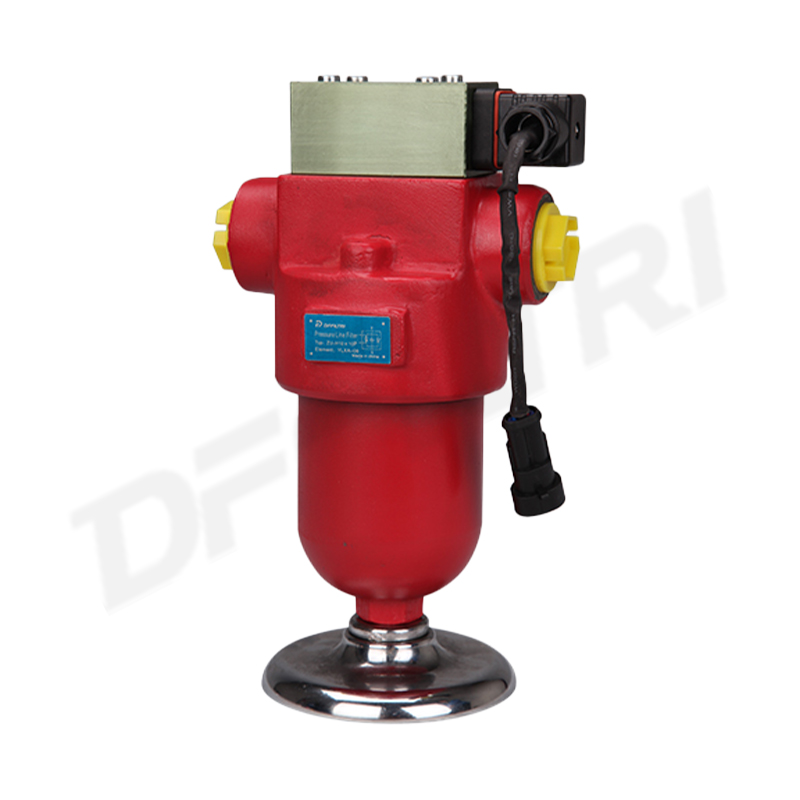
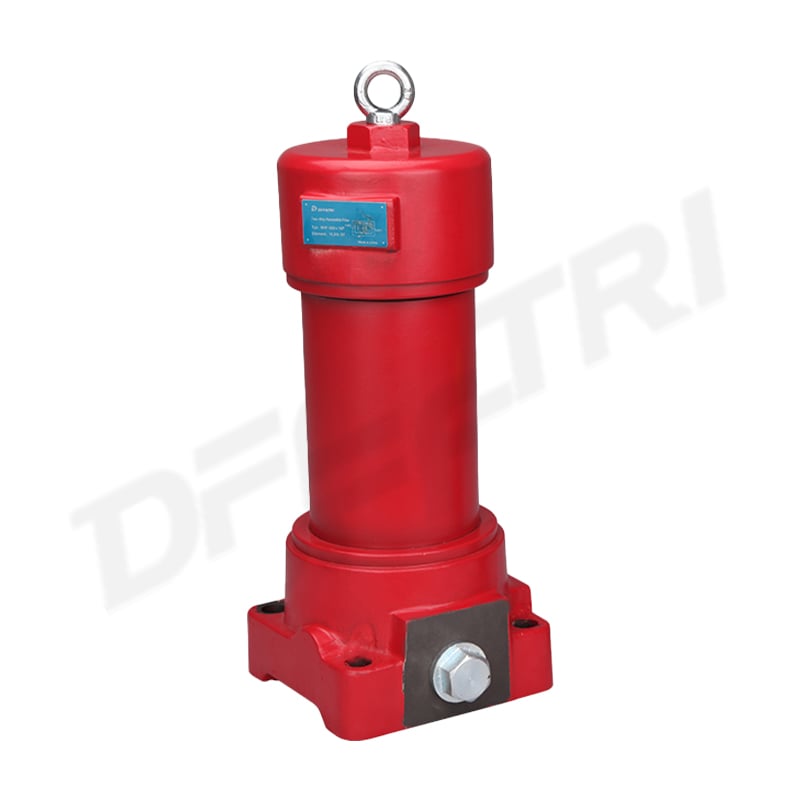
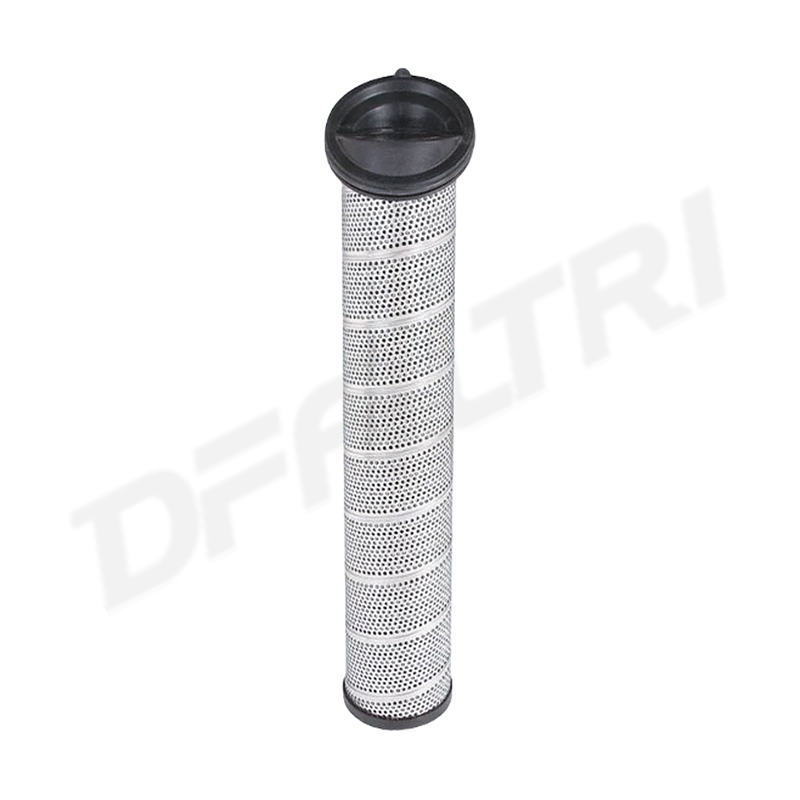
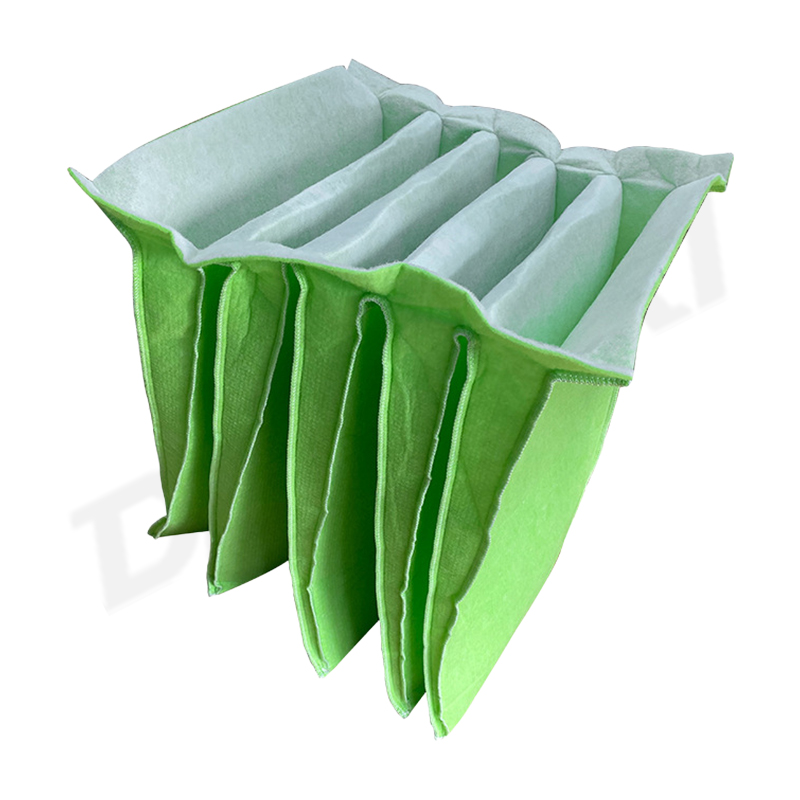
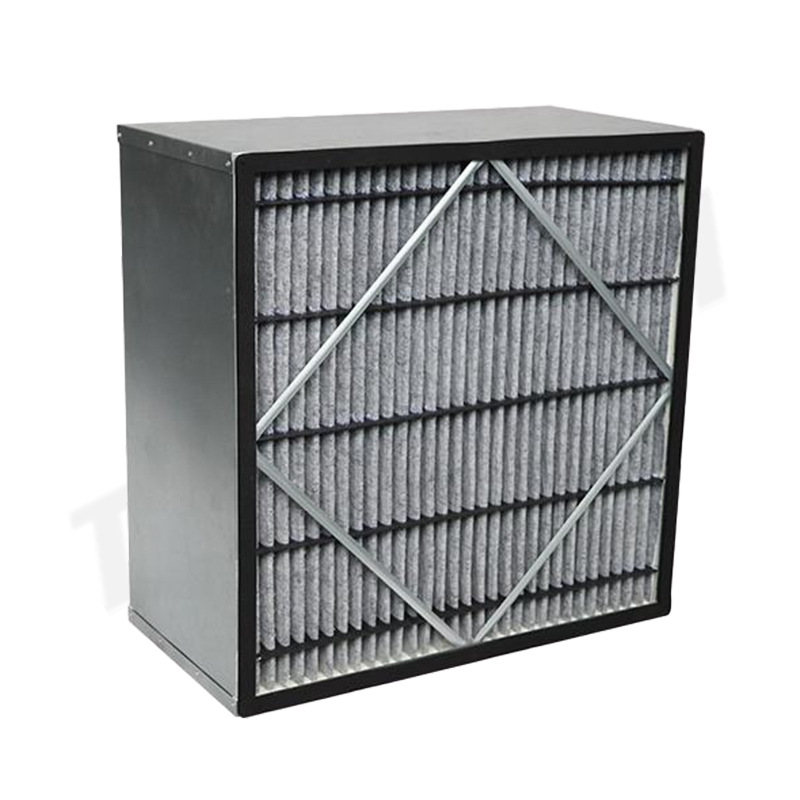
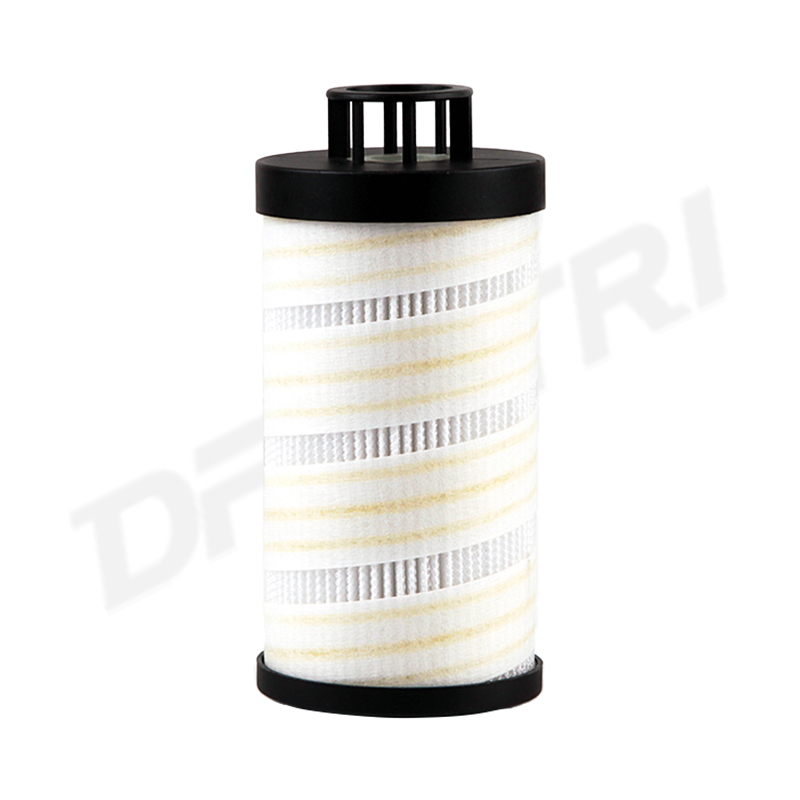
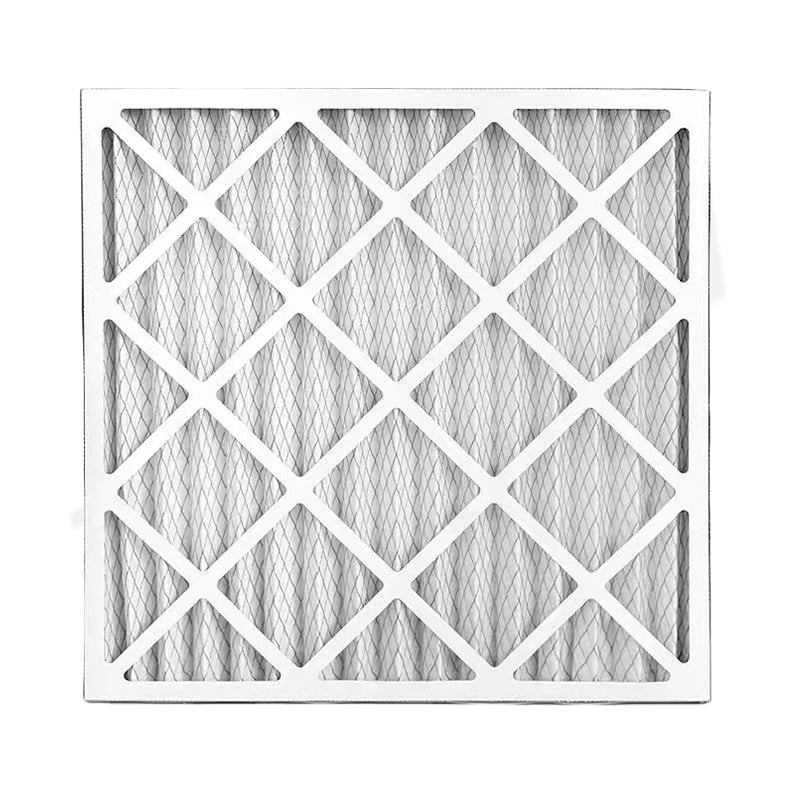
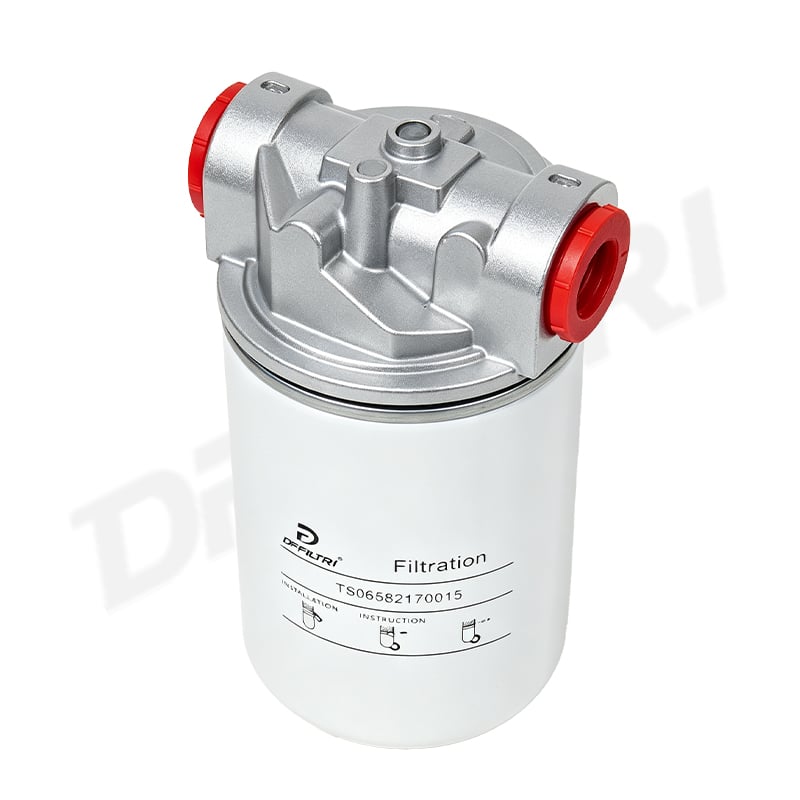
The ZU-H and QU-H series pressure pipeline filters are classic standardized purification devices for general industrial hydraulic systems. The straight through structure is connected in series on the pressure pipeline to filter out mechanical impurities and oxidized gum in the oil. Adopting aluminum alloy or cast iron pressure resistant shell, with optional fiberglass and synthetic fiber filter cartridges, covering an accuracy range of 1 μ m-30 μ m, integrating 0.35MPa pressure differential warning, supporting multiple connection methods such as pipe, flange, and plate, and covering a flow rate of 10-800L/min, suitable for the vast majority of conventional industrial hydraulic systems.
The ZU-H and QU-H series pressure pipeline filters are classic standardized pressure pipeline purification devices developed for general industrial hydraulic systems. They adopt a straight through cylinder structure and are directly connected to the pressure pipeline of the hydraulic system to filter out mechanical impurities mixed in the hydraulic oil and the gum, asphalt, and carbon residue generated by oil liquefaction. They prevent common faults such as valve core jamming, throttling small hole blockage, and rapid wear of hydraulic components from the source. They are the most widely used standardized pipeline filtration components in various conventional hydraulic systems and are suitable for use in general industrial hydraulic scenarios with nominal pressures ranging from 1MPa to 32MPa.
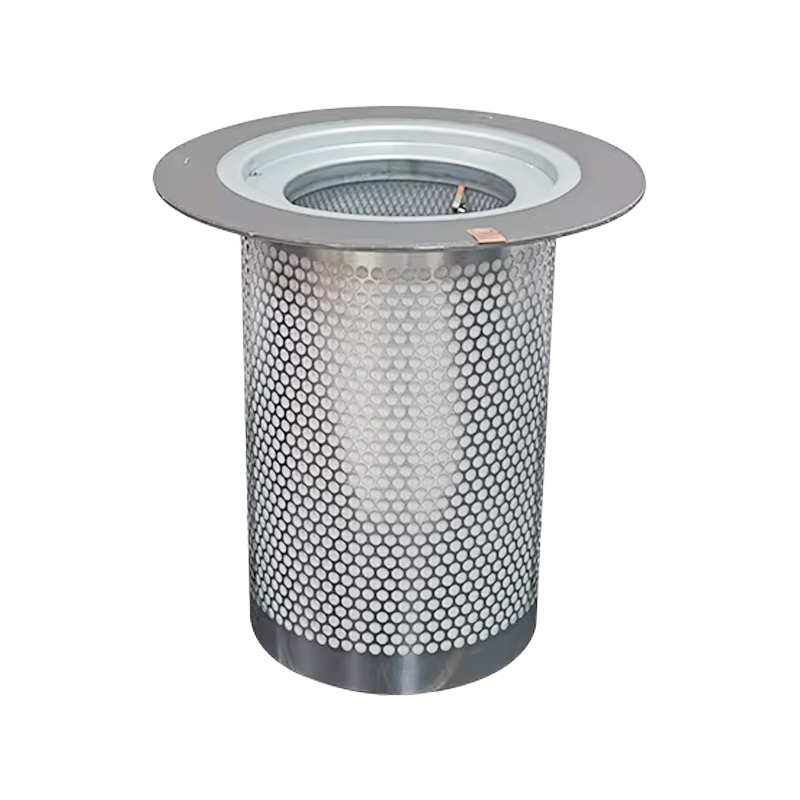
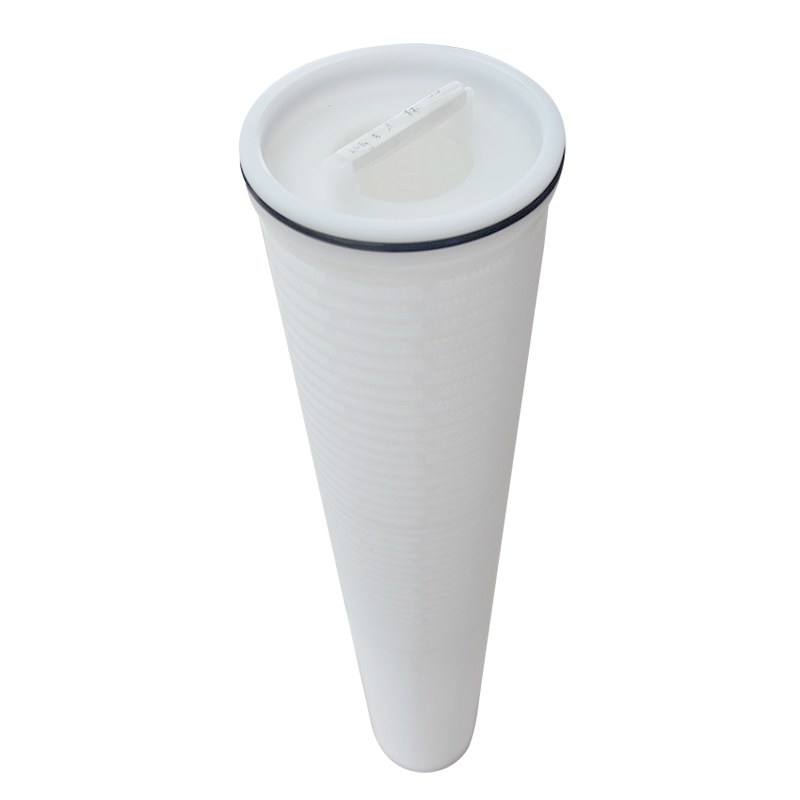
The ZU-H and QU-H series pressure pipeline filters adopt high-strength aluminum alloy or cast iron shells, and the overall structure has undergone standardized pressure resistance verification, which can stably withstand the normal operating pressure and instantaneous impact of the system. The filter element is available in two types: fiberglass material and synthetic fiber material. The filtration accuracy covers the range of 1 μ m to 30 μ m, the filtration ratio β value is ≥ 200, the filtration efficiency η is ≥ 99.5%, and the performance indicators meet the relevant standards of ISO16889-99 and GB/T18853-2002; The product is equipped with a pressure differential transmission device. When the filter element is contaminated and blocked to a pressure difference of 0.35MPa between the inlet and outlet, an automatic switch signal will be sent to prompt the replacement of the filter element, avoiding oil circuit faults caused by excessive blockage of the filter element; The connection method supports various structures such as pipe, flange, plate, etc., which can adapt to the installation needs of different pipeline layouts. The full range of models covers the nominal flow range of 10L/min to 800L/min, and can match the flow specifications of most conventional hydraulic systems.
| Brand Name | DFFILTRI |
| Nominal flow rate (L/min) | 10,25,40,63,100,160... |
| Model | ZU-H,GU-H |
| Filtering rating (μm) | 3, 5, 10, 20 ... |
The PLF series pressure pipeline filter adopts imported glass fiber composite filter material, with filtration ratios of β 3, β 5, β 10, and β 20 not less than 200, and a filtration efficiency of over 99.5%. The accuracy covers the range of 1 μ m to 20 μ m, and the pollutant carrying capacity far exceeds that of ordinary filter cartridges with the same accuracy; The shell is divided into three pressure levels: C, E, and H, corresponding to rated working pressures of 6.3MPa, 16MPa, and 32MPa, respectively. Users can accurately select according to the actual pressure of the system to avoid cost waste caused by performance redundancy; The built-in differential pressure transmitter and bypass valve form a dual protection mechanism. When the filter element is blocked and the pressure difference reaches 0.35MPa, the transmitter automatically sends a warning signal. If the filter element is not replaced in time, the bypass valve will automatically open when the pressure difference further increases, ensuring continuous oil flow in the oil circuit without interruption; The upper cover of the filter cover can rotate 180 degrees as a whole. When the on-site pipeline direction does not match the standard flow direction, there is no need to adjust the installation direction of the filter. Simply remove the four connecting screws and rotate the upper cover to change the direction of the medium flow; The filter replacement provides a dual path design, allowing users to choose between opening the top cover to remove the filter element or unscrewing the bottom shell to remove the filter element from below according to the installation space on site, flexibly adapting to different installation environments.
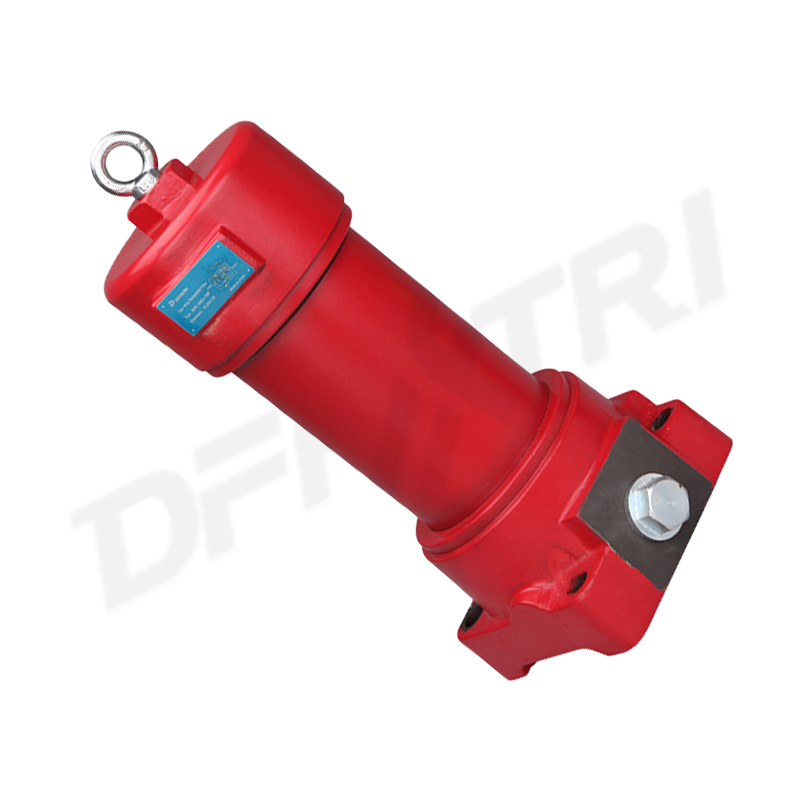
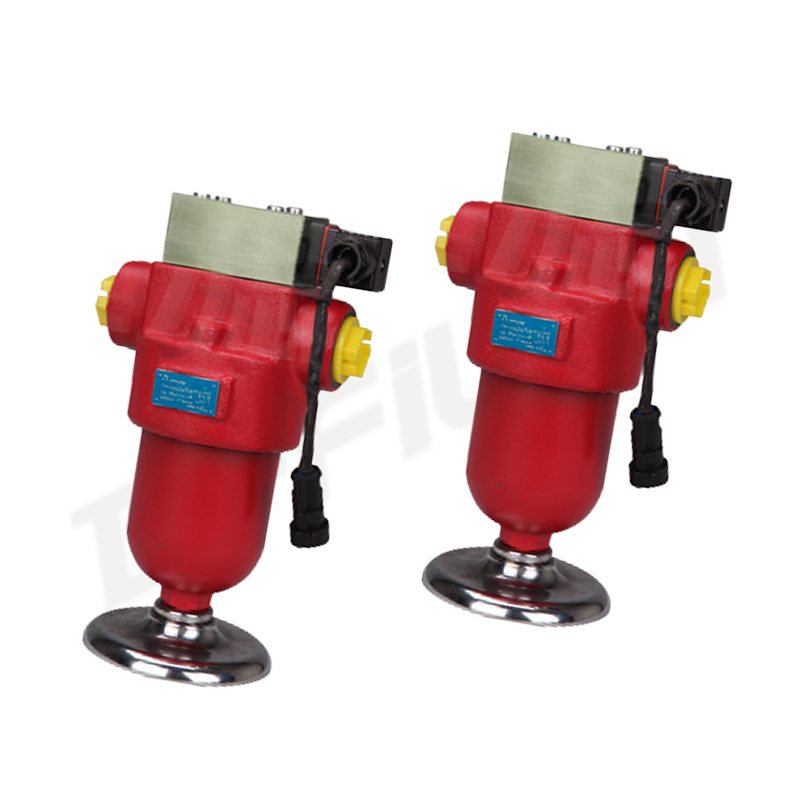
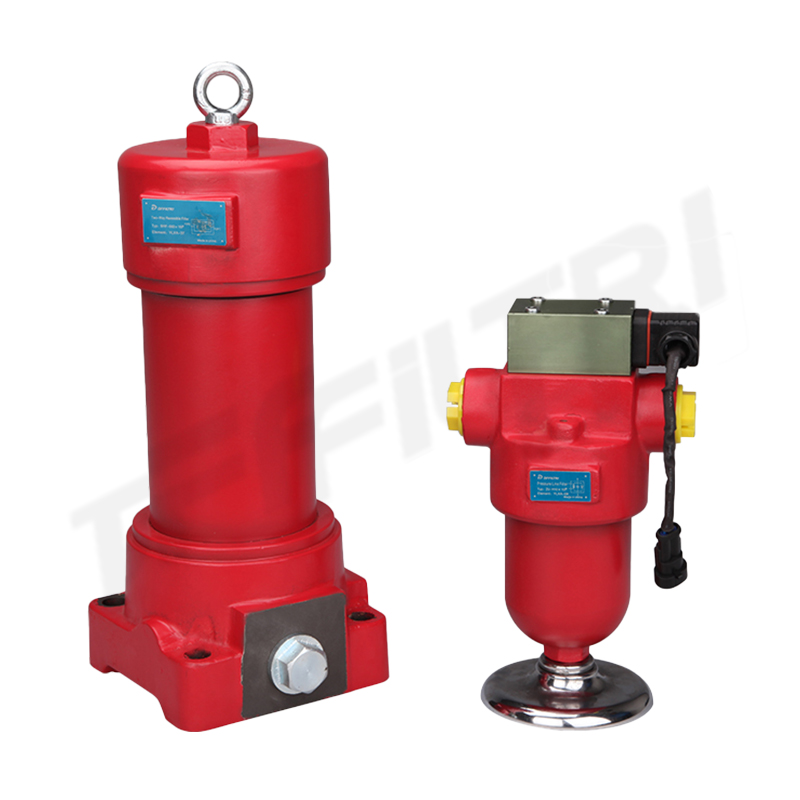
The ZU-H and QU-H series pressure pipeline filters are widely suitable for pressure pipeline purification scenarios in various general industrial hydraulic systems. They can be used in conventional industrial hydraulic systems such as metallurgy, petrochemicals, textiles, thermal power, and mechanical processing equipment, covering working conditions such as ordinary machine tool hydraulic stations, light industry automation equipment hydraulic circuits, lifting and transportation equipment hydraulic systems, and rubber and plastic machinery hydraulic power units. They are particularly suitable for conventional hydraulic projects that require universal and standardized selection of filtration configurations. They can effectively intercept various pollutants and impurities in the oil, maintain the cleanliness of the system oil within a reasonable range, and reduce the wear rate of conventional hydraulic components.

Compared to specialized pressure pipeline filters with a higher degree of customization, the ZU-H and QU-H series pressure pipeline filters are standardized and mature models that are widely used in the industry. The full parameter system is fully open, and the selection threshold is low. Under normal working conditions, the system parameters can be directly compared to quickly match the specifications, greatly shortening the project design cycle; Multiple material filter elements are available, which can be flexibly selected according to the oil type and accuracy requirements of different working conditions, with stronger adaptability; The full range of models covers a wide range of flow rates, from small machine tool hydraulic stations to large industrial hydraulic systems, and corresponding compatible specifications can be found without the need for additional customized special non-standard products; Universal standard interface design, the vast majority of pressure pipeline filters of the same specification on the market can be directly exchanged and replaced, making maintenance and replacement of accessories convenient in the later stage, without the need to modify the original pipeline.
The differential pressure transmitter reaches 0.35MPa but does not send out a signal normally. First, check whether the power supply line of the transmitter has poor contact. If the line status is normal, it indicates that the internal contacts of the transmitter have oxidized. After stopping the machine to release pressure, replace the differential pressure transmitter of the same specification to restore normal signal output; Slow oil leakage occurs at the joint surface of the shell. Check whether the sealing gasket at the end cover has aged and deformed due to long-term oil immersion. Replace the oil resistant seal with the same specification and tighten the connecting bolts evenly in diagonal order to restore the seal; After replacing the filter element, the initial pressure loss of the system is relatively large. Check if the filter element is not fully engaged during installation. Remove the filter element and align it with the positioning groove to ensure that the sealing surface is fully fitted before controlling the initial pressure loss within the design range; During operation, there is abnormal high-frequency noise in the oil circuit. Check if the filter element is partially blocked due to long-term use. Disassemble and remove the filter element to clean the surface impurities or replace it with a new one directly, and the oil circuit noise can be eliminated.
 EN