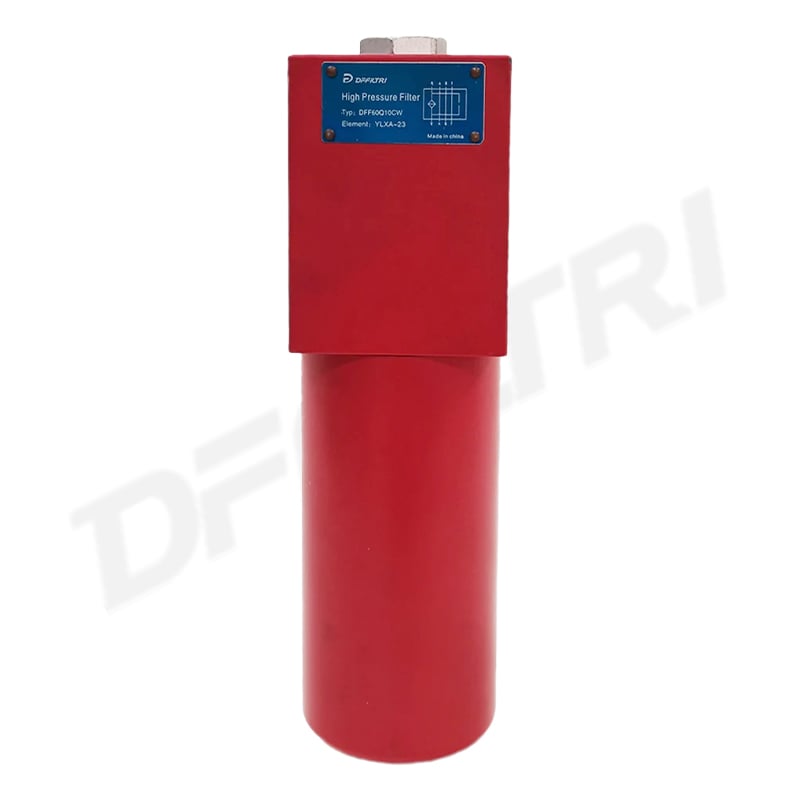
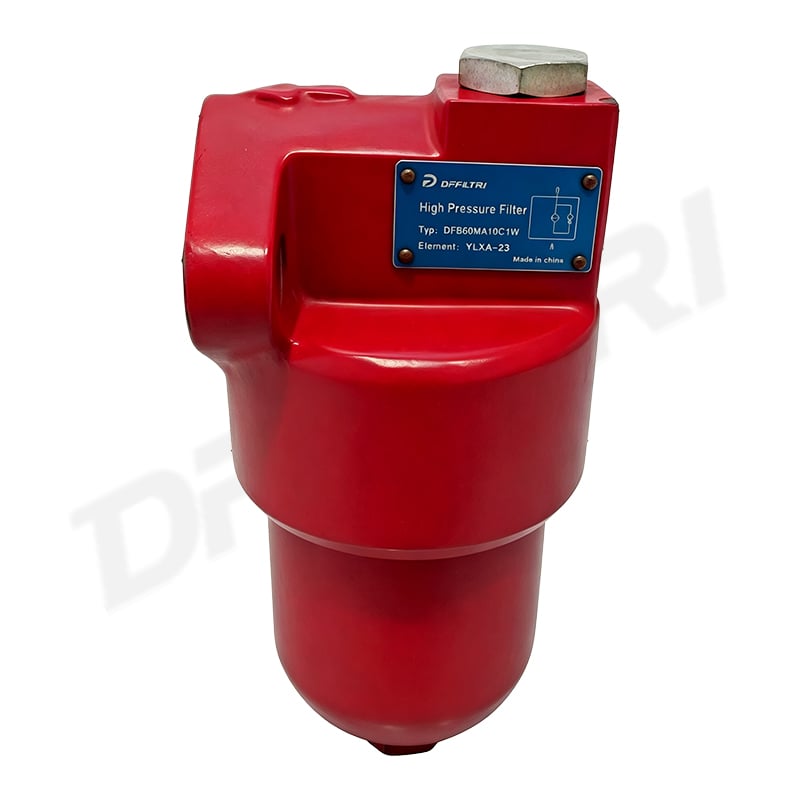
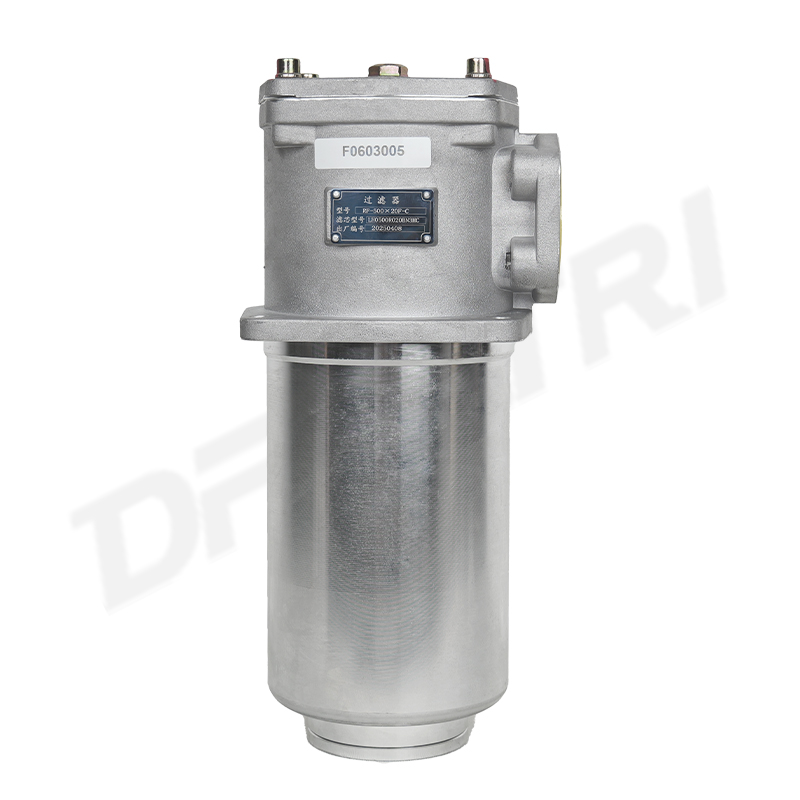
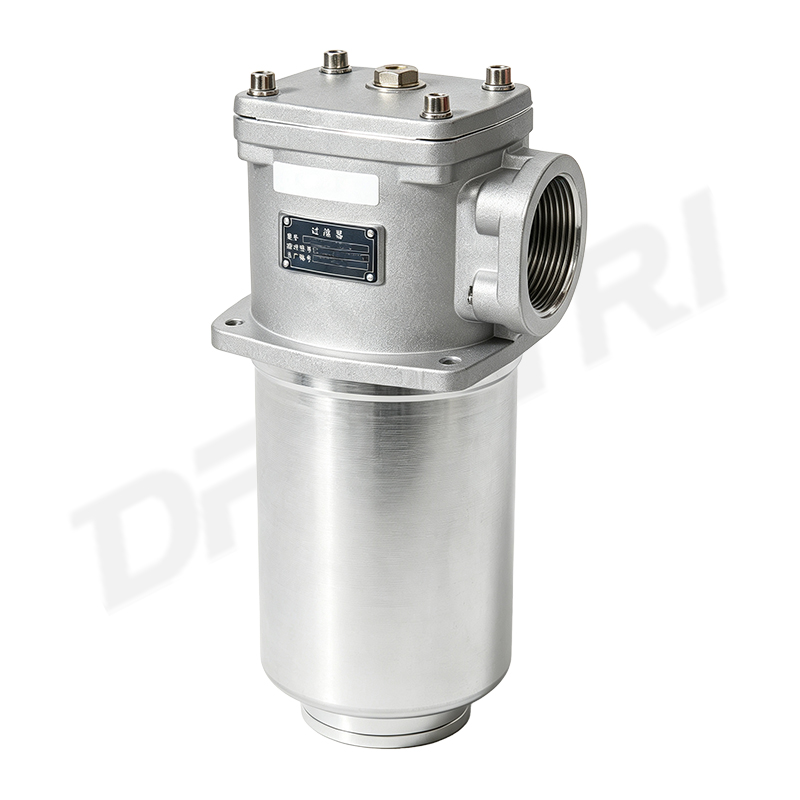
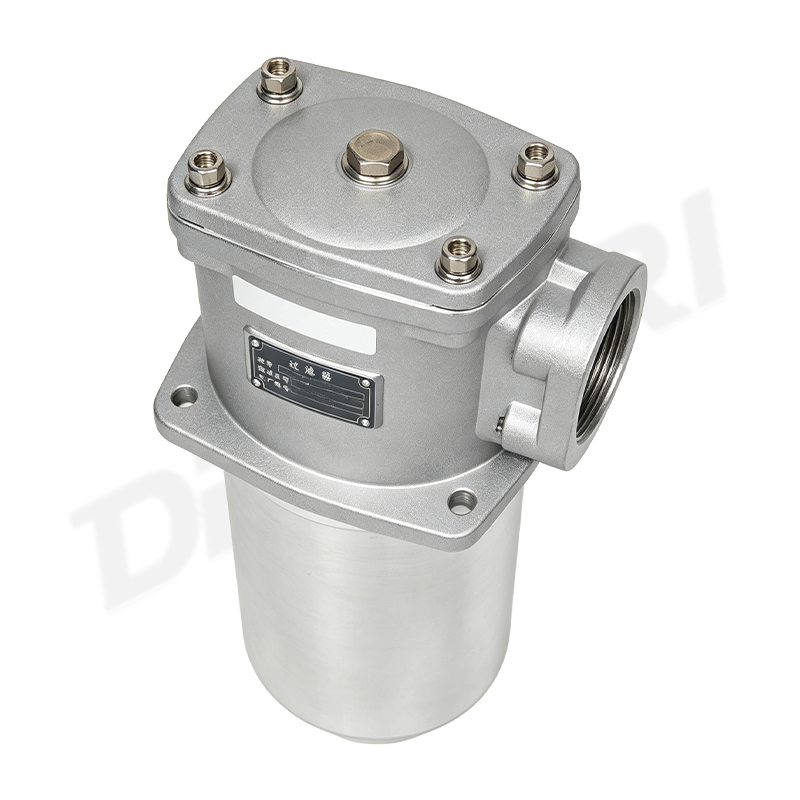
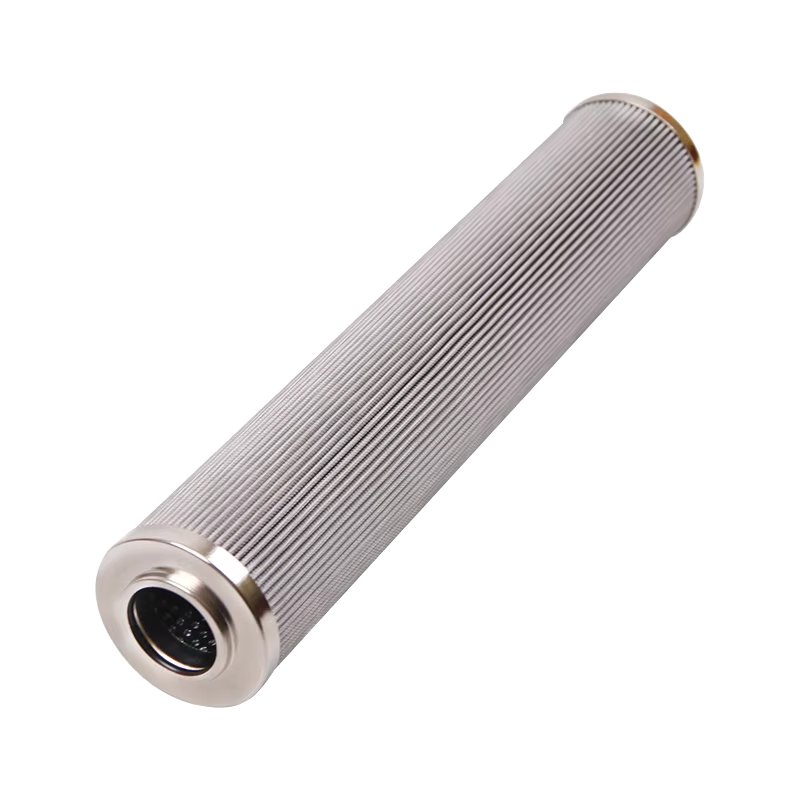
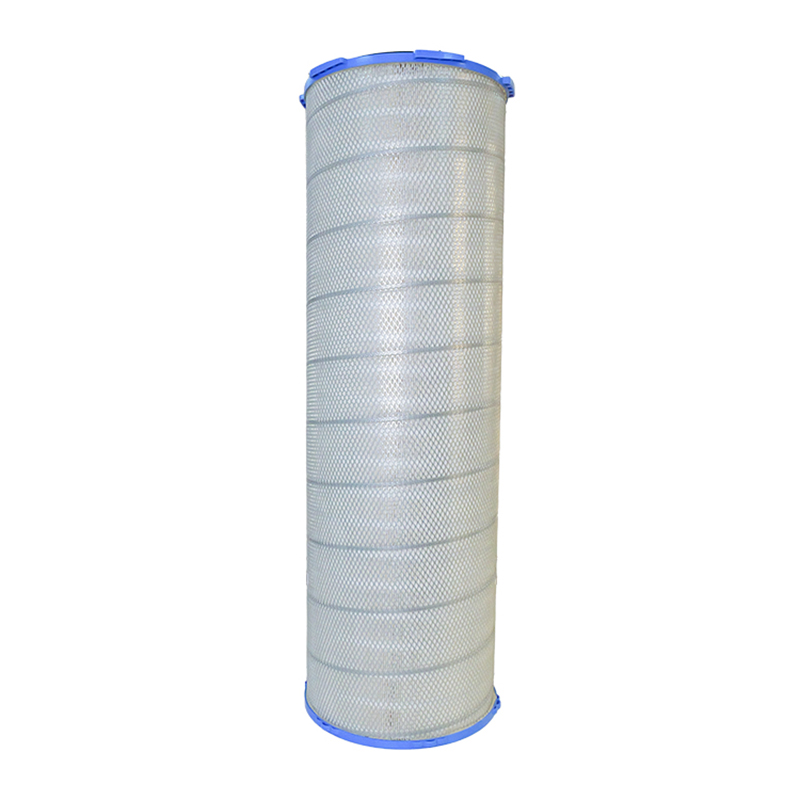
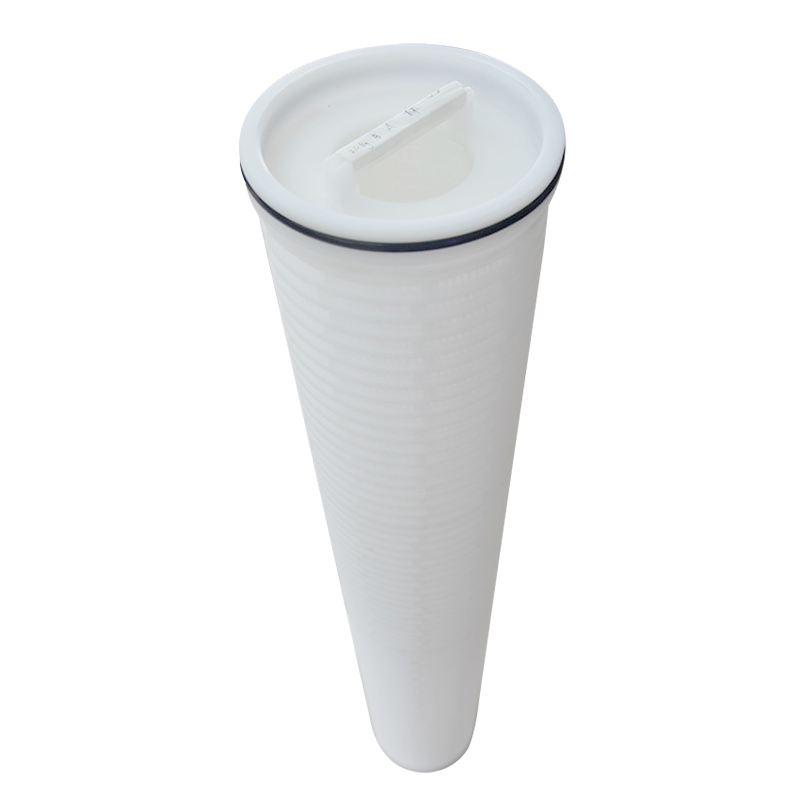
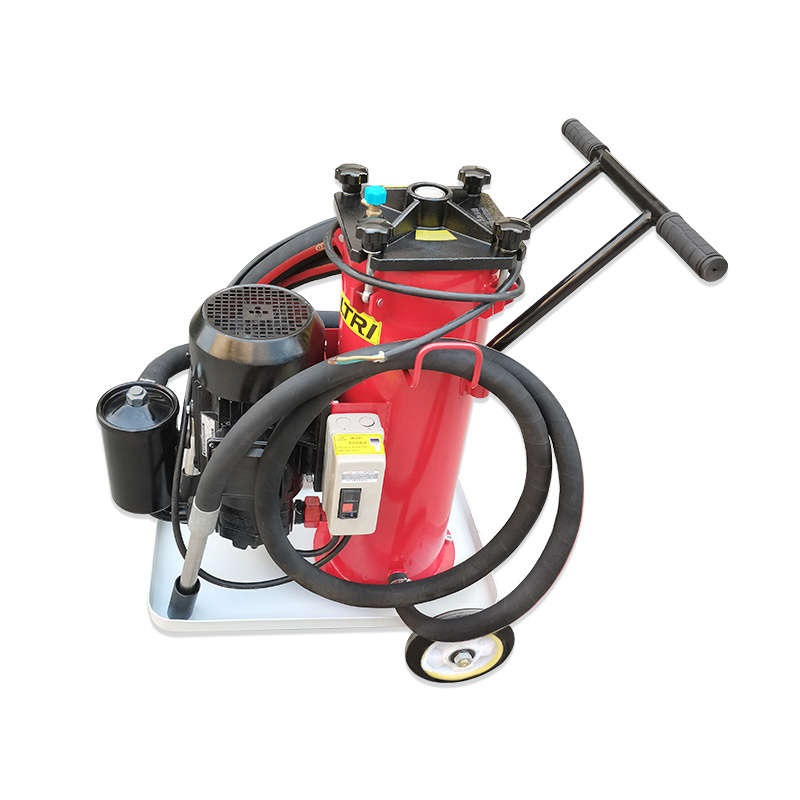
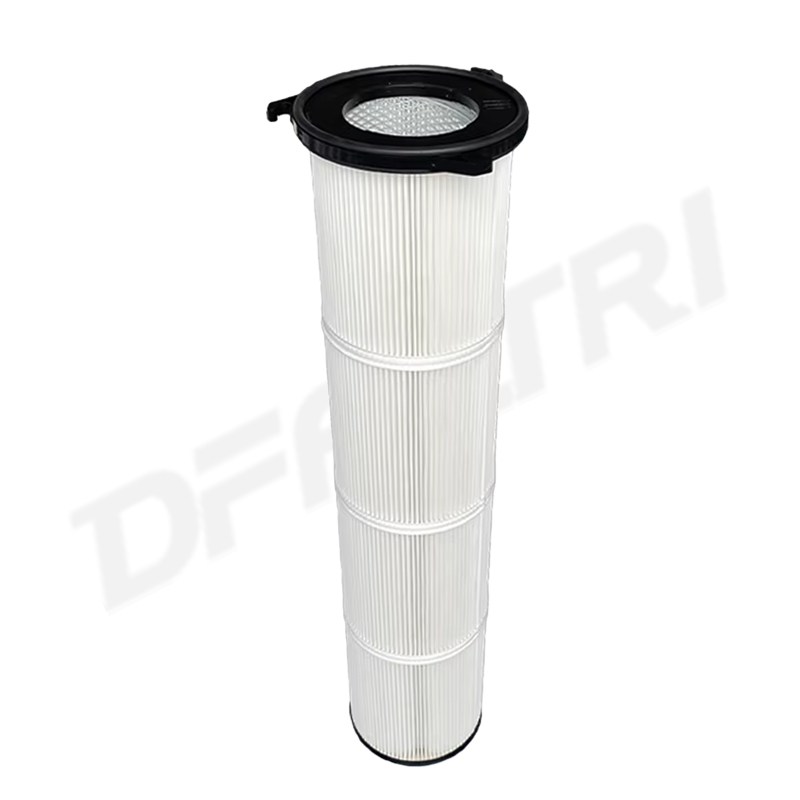
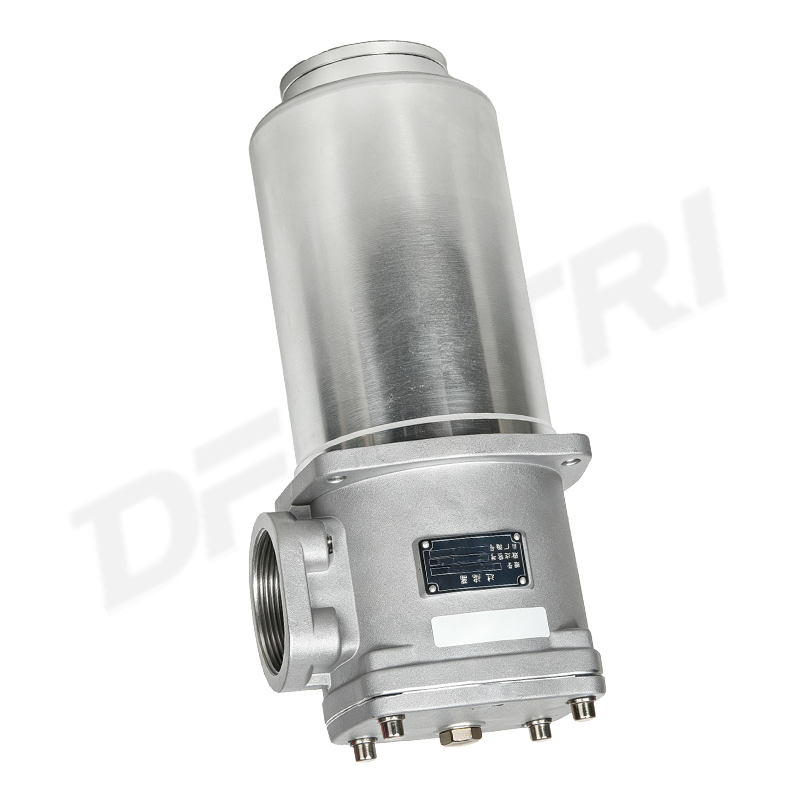
The SP rotary pipeline filter can be directly connected in series in the pressure pipeline of the hydraulic system, relying on the self drive of the oil to form a swirling centrifugal effect. It first throws large-sized solid particles towards the chamber wall for settling, and then combines with a precision filter element to complete secondary fine filtration, greatly improving the pollutant absorption capacity through dual purification. Built in 0.6MPa bypass valve ensures continuous oil flow in the oil circuit, matched with pressure differential transmitter for real-time warning of blockage status. The high-strength shell is suitable for medium and high pressure working conditions, without the need for additional power sources, and can directly replace conventional pipeline filters of the same specifications.
The SP rotary pipeline filter is an online precision purification device designed specifically for hydraulic system pressure pipelines. It adopts a straight through pipeline docking structure and can be directly connected to any node of the system pressure oil circuit. It relies on the flow of the oil itself to drive the internal core components to form a rotating centrifugal effect, achieving a composite purification effect of "centrifugal coarse separation+filter element fine filtration" without additional power source. It does not require additional installation space around the oil tank and is suitable for various medium and high pressure hydraulic systems with high oil cleanliness requirements and limited installation space.
| Brand Name | DFFILTRI |
| Maximum work pressure(bar) | 7 |
| Cracking press(bar) | 20 |
| Model | SP |
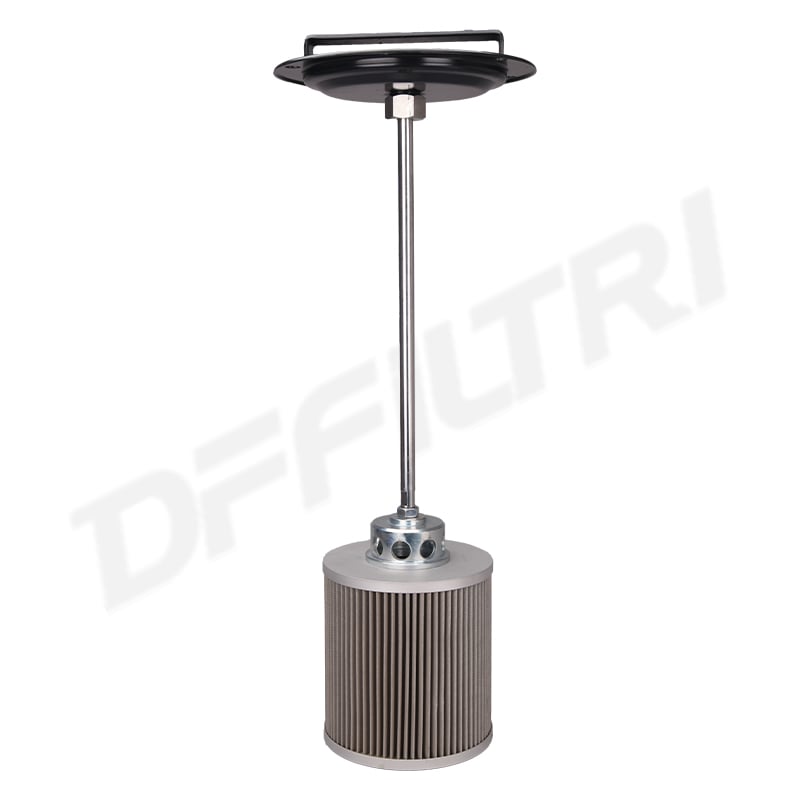
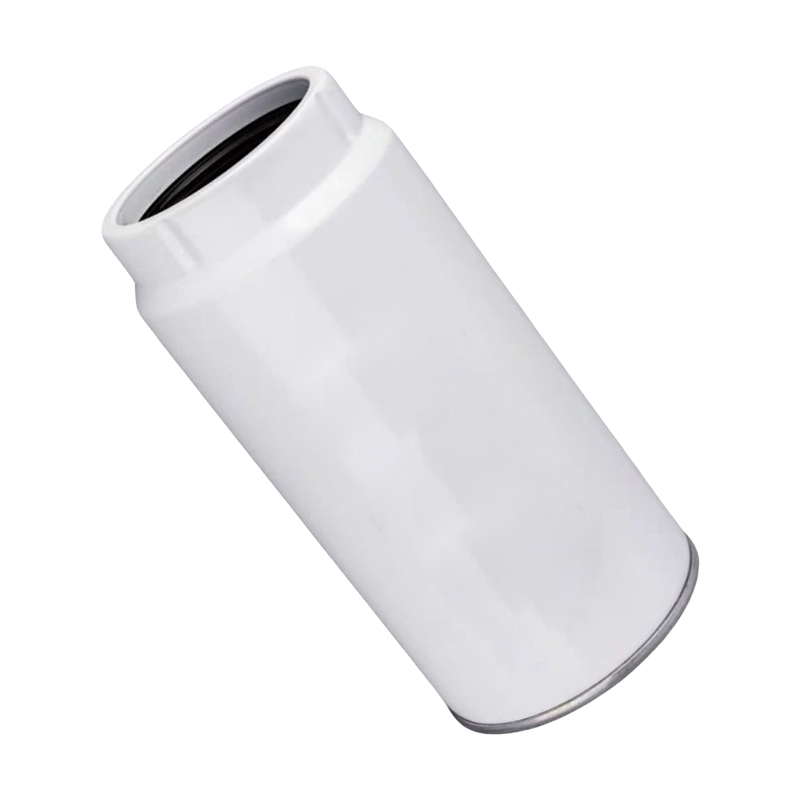
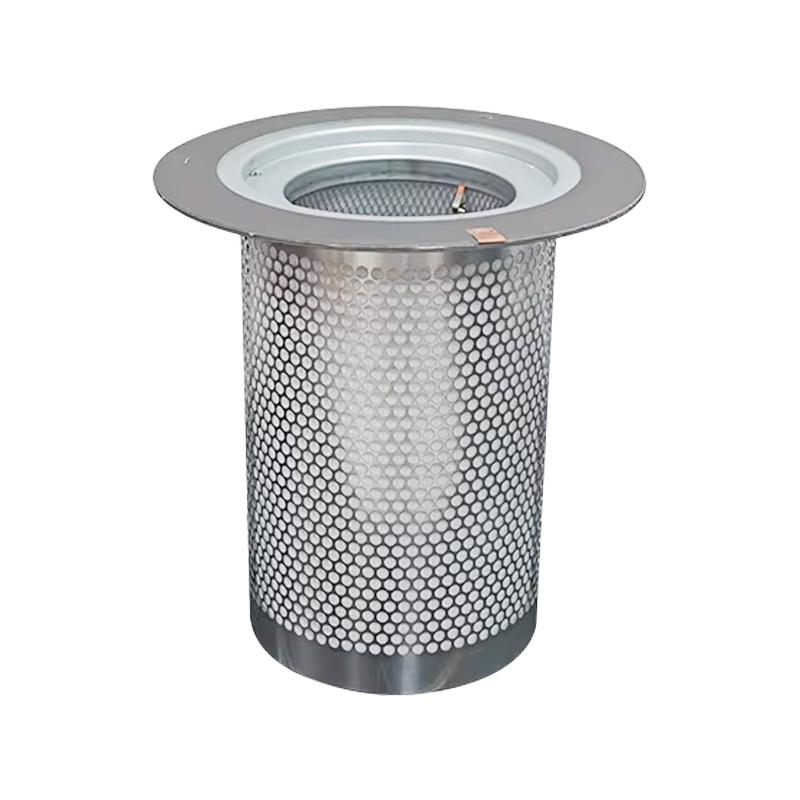
The SP rotary pipeline filter integrates an unpowered rotating guide structure inside. After the oil flows into the chamber, it forms a high-speed vortex along the guide vanes. With the help of centrifugal force, large-sized solid particles are directly thrown towards the chamber wall and settled, completing the coarse purification process in advance and significantly reducing the load pressure of the precision filter core at the rear end; The backend is equipped with metal woven mesh or glass fiber folding filter elements of different precision levels, which can accurately intercept small impurities remaining after swirling flow, and the dual purification path greatly improves the overall pollutant holding capacity; Built in bypass valve with an opening pressure of 0.6MPa, which automatically opens when the filter element is clogged and the pressure difference exceeds the limit or the system experiences short-term pressure shock, ensuring continuous oil flow without interruption; Equipped with a 0.35MPa differential pressure transmitter, it can provide real-time feedback on the clogging status of the filter element, and operation and maintenance personnel can intuitively grasp the replacement timing without disassembling the equipment; The overall structure adopts high-strength aluminum alloy or cast iron shell, with anti rust and passivation treatment on the surface, which can adapt to long-term stable operation under medium and high pressure conditions.
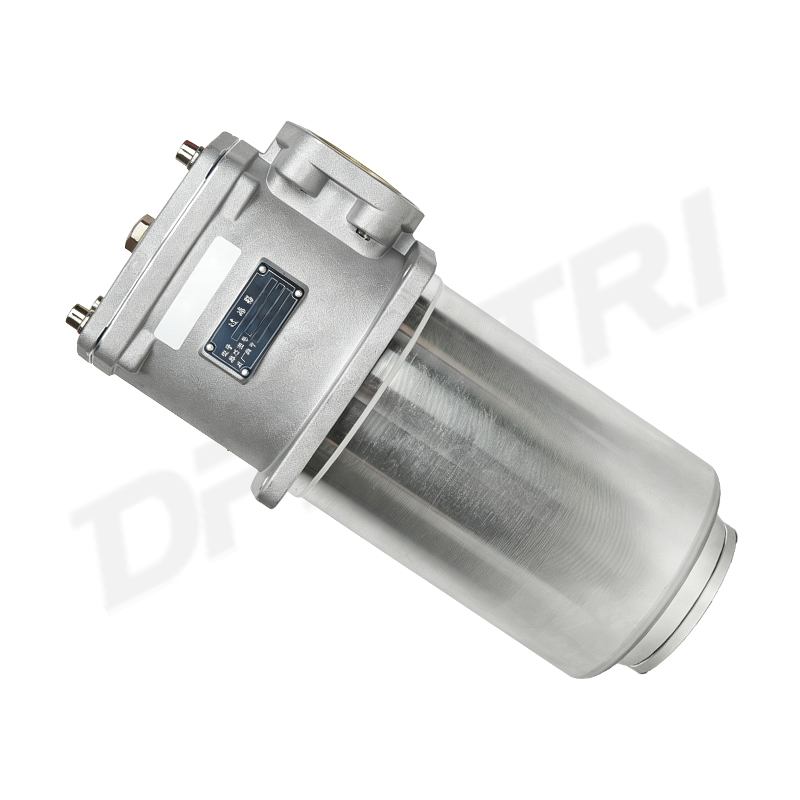
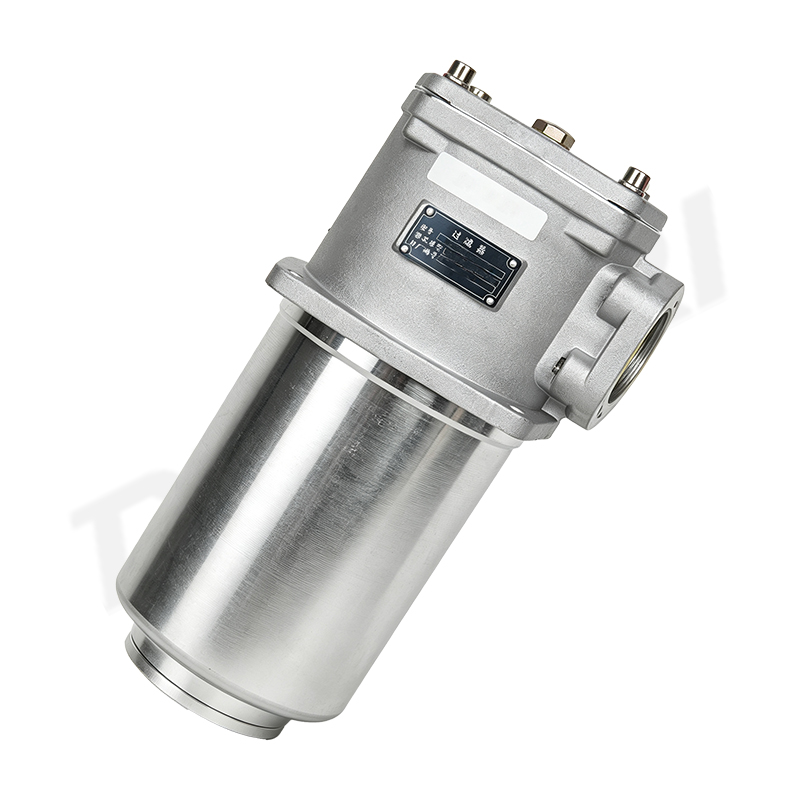
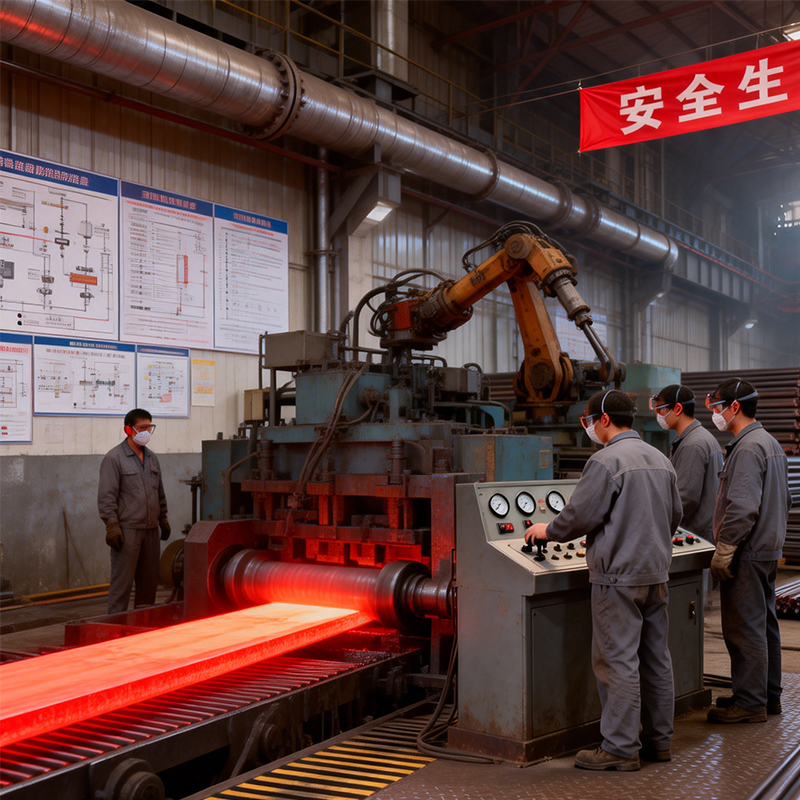
The SP rotary pipeline filter is widely suitable for pressure pipeline purification in various medium and high pressure hydraulic systems. It can be used in servo oil circuits of metallurgical equipment, main pressure circuits of engineering machinery, high-precision hydraulic control systems of machine tools, mining hydraulic power stations, precision oil circuits of rubber molding machines, and aviation ground hydraulic test benches. It is particularly suitable for continuous operation scenarios with high proportion of large particle impurities in oil and strict requirements for pressure stability in the system. It can effectively protect high-precision core components such as servo valves and plunger pumps, greatly reducing the probability of abnormal wear of components.


Compared to conventional straight through pipeline filters, the SP rotary pipeline filter relies on a non powered cyclone structure to first separate large particle impurities, which can increase the service life of the filter element by more than 50% and significantly reduce long-term operation and maintenance costs; The straight through pipeline series structure has no additional pipeline bends, and the overall pressure loss is much lower than that of conventional filters with the same precision, reducing unnecessary energy consumption in the system; The all metal modular shell structure has strong impact resistance and can withstand instantaneous pressure fluctuations in medium and high pressure systems, making it less prone to shell deformation and leakage problems; The import and export use standard universal flanges or threaded interfaces, which can be directly connected in series to the original pressure pipeline without the need for significant modifications to the system oil circuit, and are suitable for the replacement of filters in the vast majority of pipelines of the same specifications.
The differential pressure transmitter triggers a high-frequency alarm in advance. First, check whether the system has long-term flow overload. If the flow is stable, it indicates that the filter element has reached the blockage threshold in advance. Replace the filter element with a new one of the same precision to restore normal operation; Abnormal noise occurs during operation. Check if there are impurities adhering to the internal rotating guide vanes and if they are stuck. Disassemble and clean the surface of the vanes to eliminate the abnormal noise; If there is oil leakage on the joint surface of the shell, check whether the sealing element is deformed or displaced due to high-pressure impact. Replace the sealing element with the same specification and tighten the connecting bolts evenly to solve the problem; The cyclone purification effect has significantly decreased. Check if the hydraulic pressure difference between the inlet and outlet oil has been below 0.1MPa for a long time. Adjust the system flow rate appropriately to the rated range, and the cyclone centrifugal effect can be restored to the design standard.
 EN
EN