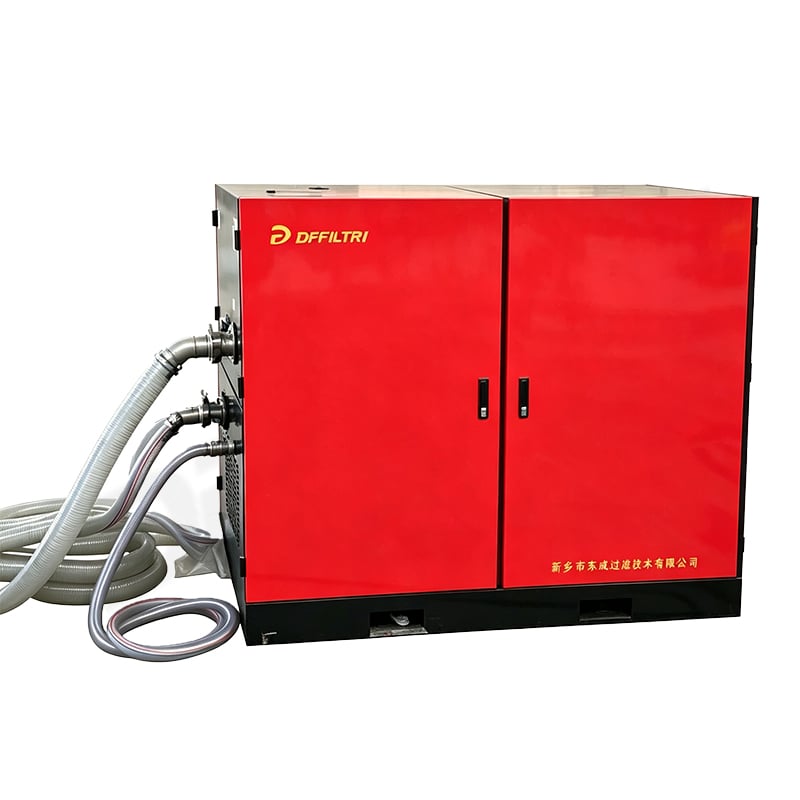
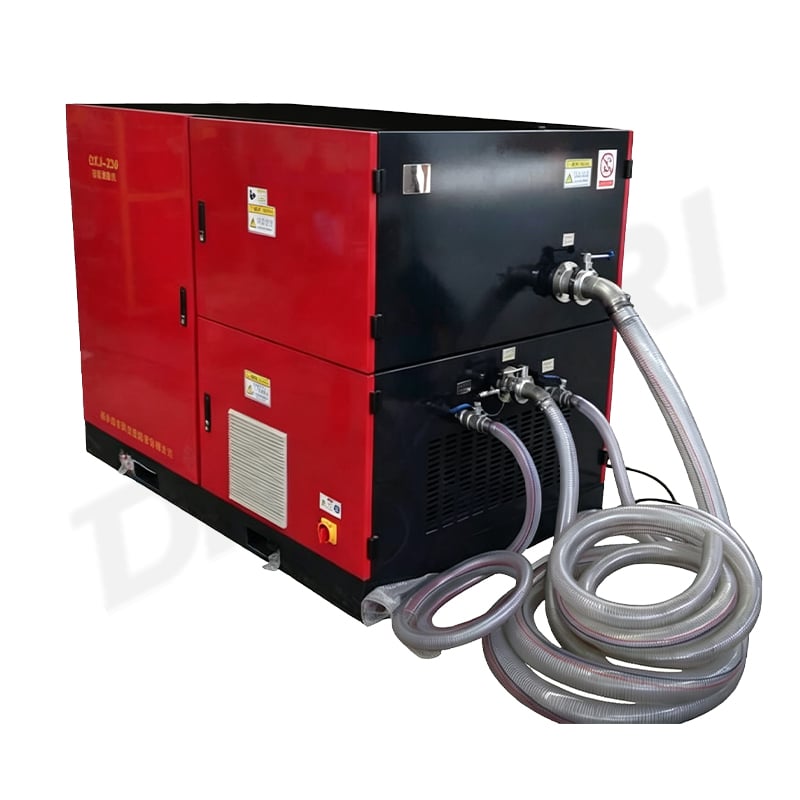
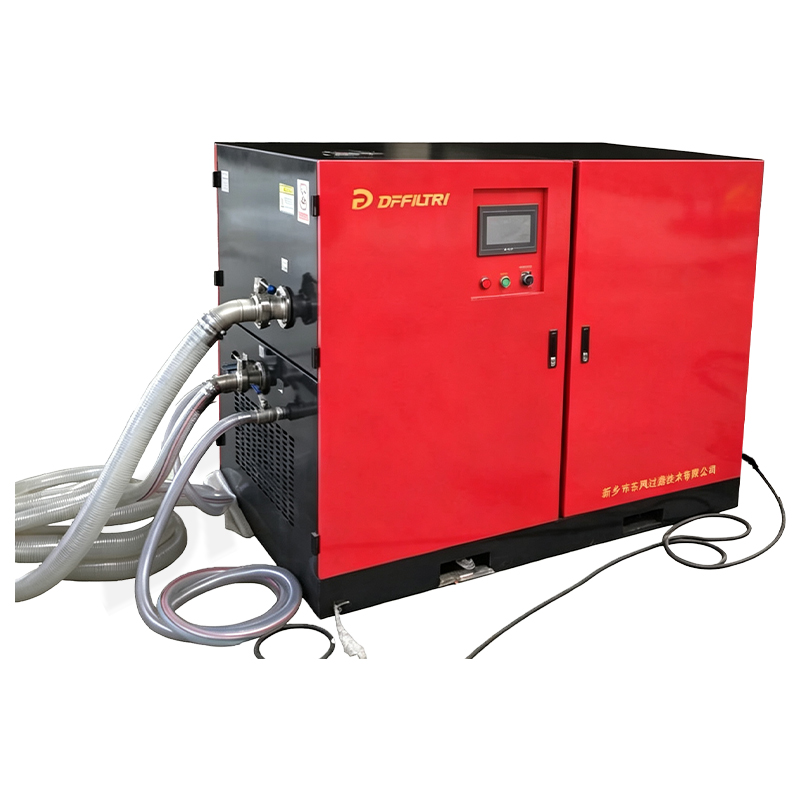
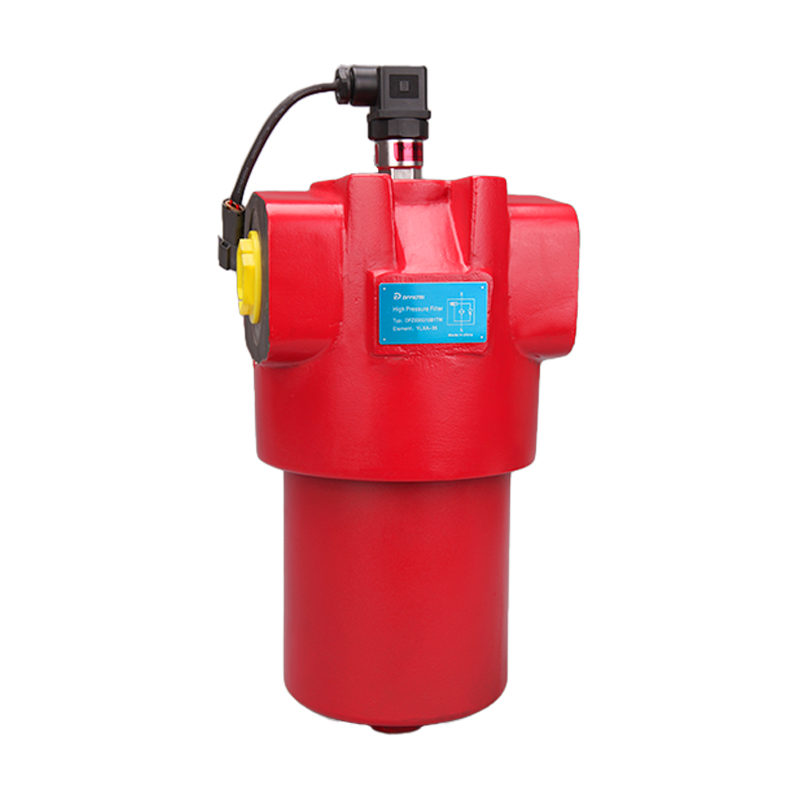
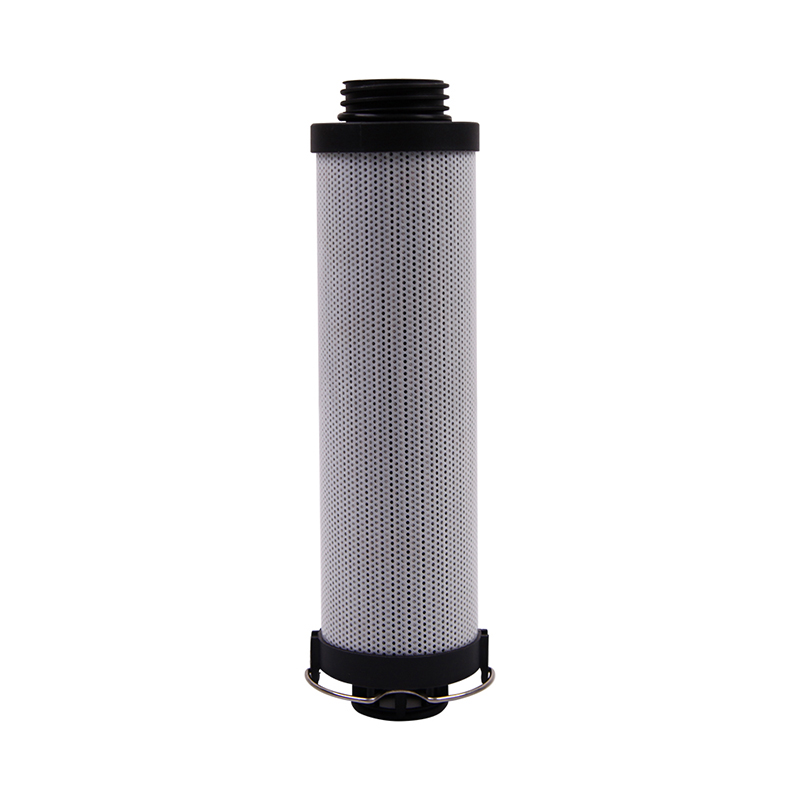
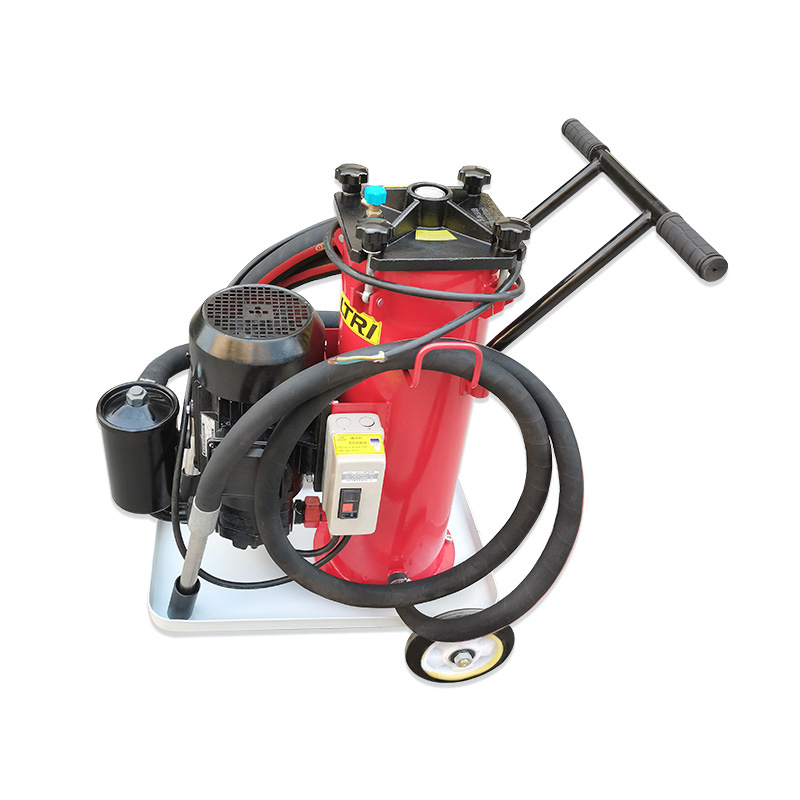
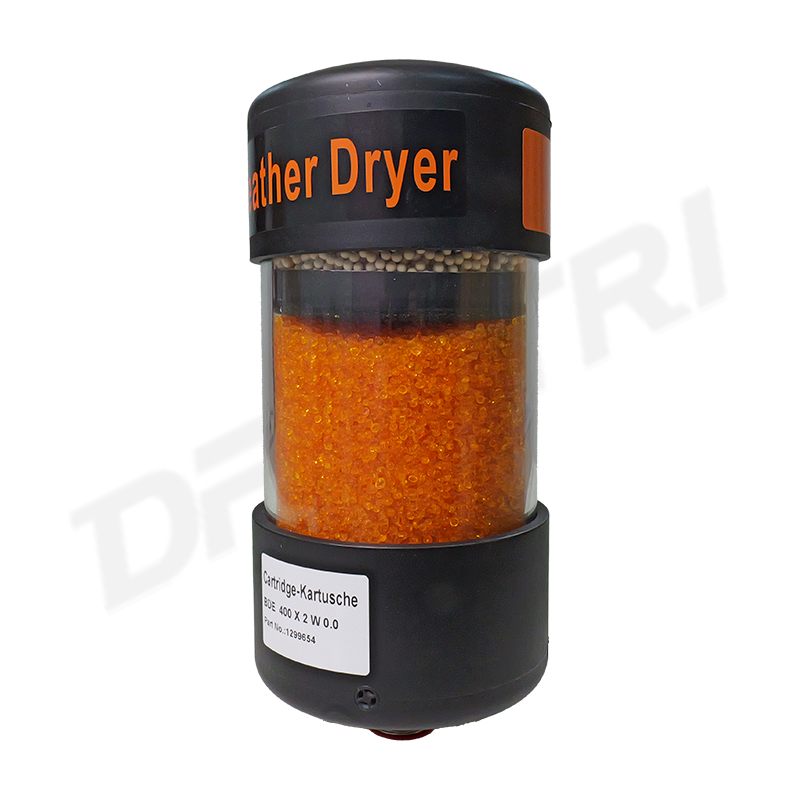
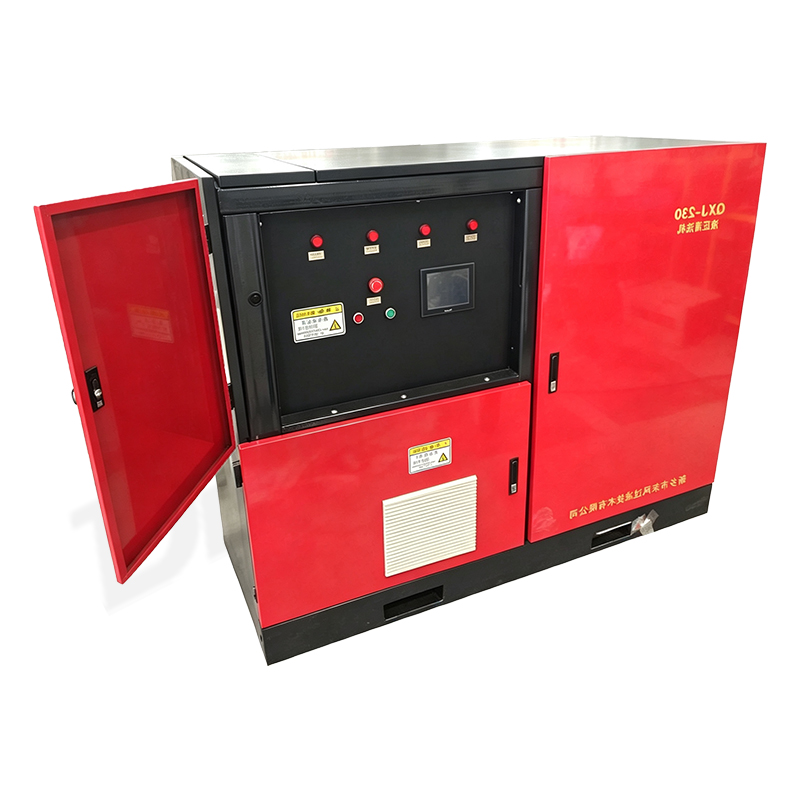
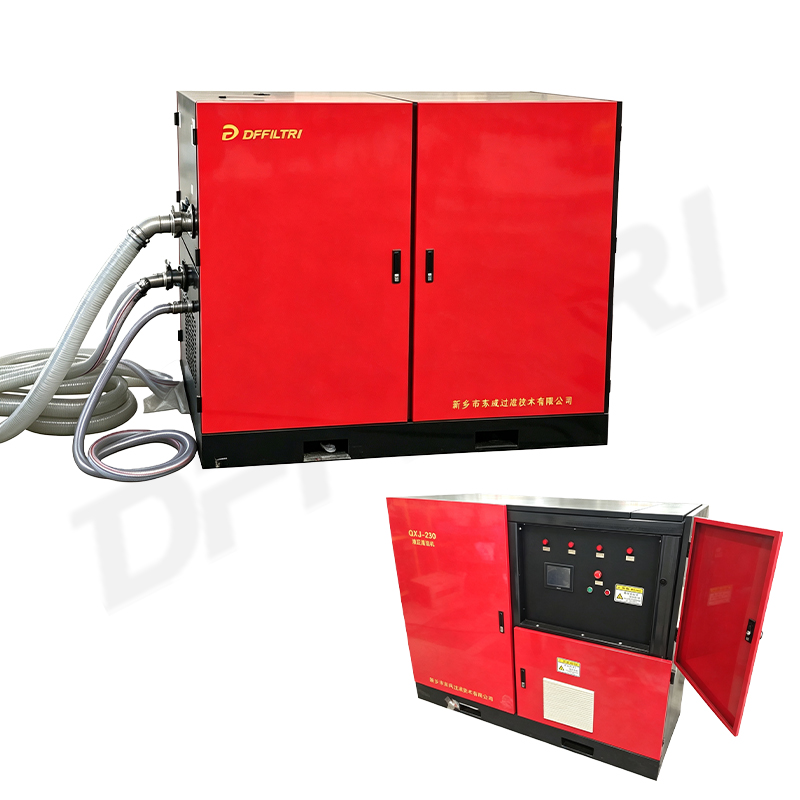
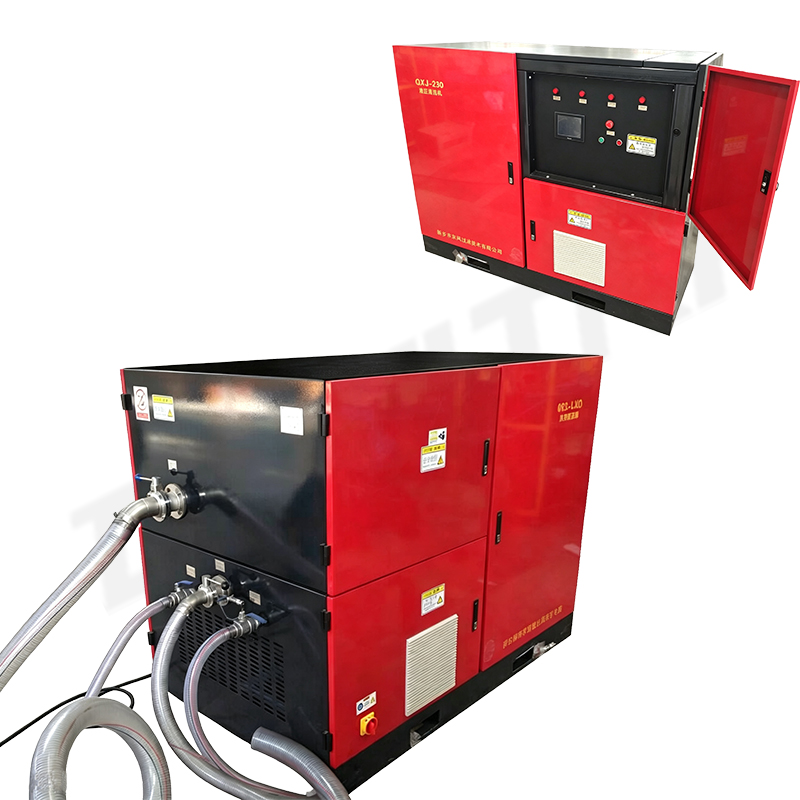
The QXJ-230 cleaning machine is an industrial desktop portable cleaning equipment that is suitable for cleaning reusable filter cartridges and small precision metal parts. It is equipped with a stepless adjustable high-pressure plunger pump, a filter cartridge reverse flushing joint, and a cleaning liquid circulation system. It can efficiently remove impurities from the pores and quickly restore the flow capacity of the filter cartridge. The compact body with mobile wheels is easy to operate and suitable for daily maintenance and cleaning scenarios in workshops.
QXJ-230 cleaning machine is a desktop portable cleaning equipment developed for industrial reusable filter elements and small precision metal parts. It integrates multiple functions such as high-pressure direct spray flushing, reverse pulse flushing, and cleaning liquid circulation filtration. It is mainly used for cleaning surface and pore pollutants of stainless steel metal filter elements, sintered mesh filters, and small mechanical parts. By replacing traditional manual brushing with physical high-pressure flushing, it can quickly remove dust, oil sludge, metal debris, residual gum and other impurities attached to the pores of filter materials and gaps in parts. It is a specialized auxiliary equipment for industrial equipment operation and maintenance to achieve secondary utilization of reusable consumables and reduce manual cleaning labor intensity. It is suitable for the daily cleaning and maintenance needs of conventional industrial workshops.
| Brand Name | DFFILTRI |
| Model | QXJ-230 |
| Work pressure | ≤0.6Mpa |
| Flow rate | 230(L/min) |
The QXJ-230 cleaning machine equipment adopts a compact desktop structure, and the main body is made of thickened 304 stainless steel plate welded together. The surface is treated with rust prevention and passivation, and it is not easy to rust or deform after long-term contact with various cleaning media; Equipped with a universal high-pressure plunger pump, it can provide a continuously adjustable high-pressure cleaning fluid output in the range of 0-8MPa. It is matched with a handheld high-pressure spray gun and a dedicated reverse flushing connector for the filter element, which can simultaneously complete two types of operations: forward flushing of the outer surface of the part and reverse pulse flushing of the inside of the filter element; The equipment comes with a closed circulation filtration system for cleaning solution. After cleaning, the dirty and dirty cleaning solution is intercepted by a built-in precision filter and flows back to the storage tank for recycling, greatly reducing the loss of cleaning solution; The rated capacity of the storage tank is 23L, and it is equipped with a real-time pressure gauge and pressure adjustment knob on the top. The operation interface is simple and intuitive, and can be quickly started without professional training. The bottom of the body is equipped with silent universal casters, which can be flexibly transferred in the workshop without the need for fixed installation positions.
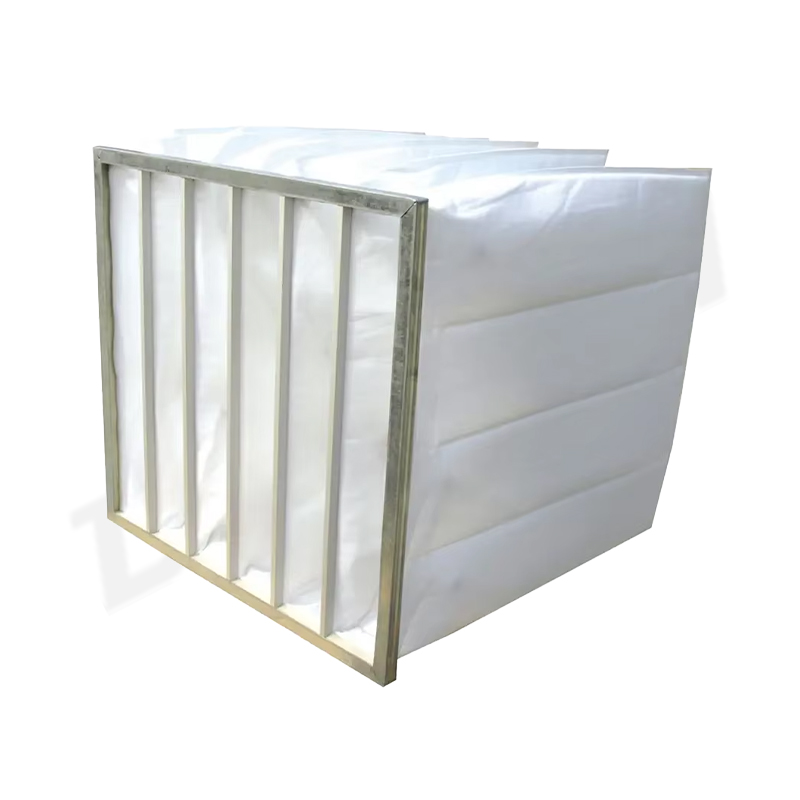
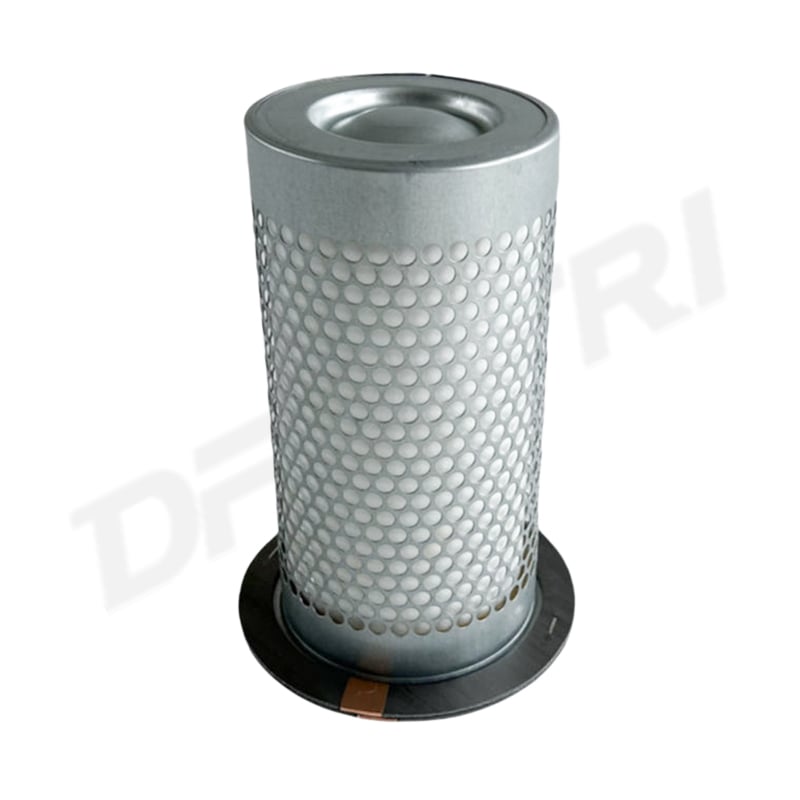
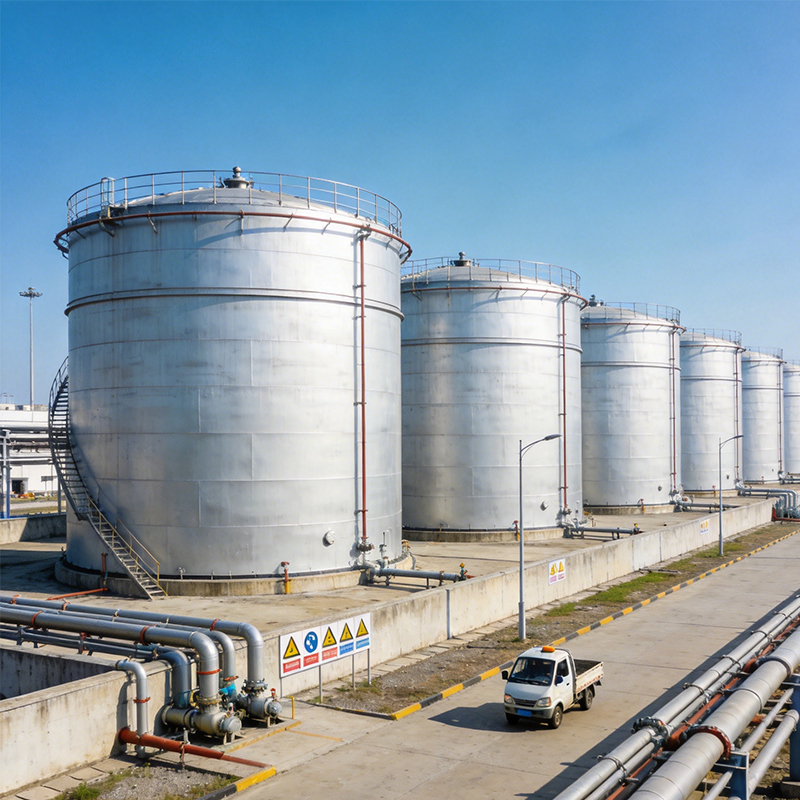
The QXJ-230 cleaning machine is widely suitable for the cleaning needs of reusable filters and small parts in various industrial scenarios. It can be used for regular cleaning and maintenance of stainless steel metal filters and sintered mesh filters, as well as for surface oil and impurities removal of small metal parts such as hydraulic valves, bearings, gears, fasteners, etc. It covers factory equipment operation and maintenance workshops, hydraulic system maintenance service points, metal processing workshop parts rough cleaning, air compressor station consumables maintenance, and small parts cleaning in auto repair shops. It is particularly suitable for continuous production enterprises with a large number of reusable industrial filters and small parts daily cleaning needs, which c


Compared with ordinary industrial high-pressure cleaning equipment, the QXJ-230 cleaning machine is specially equipped with a filter element reverse flushing joint. The pulse flushing mode can effectively remove impurities embedded in the deep pores of the filter material. The cleanliness of the filter element cleaning is improved by more than 60% compared to conventional external surface flushing, and can restore more than 90% of the initial flow capacity of the filter element; Equipped with a closed cleaning solution circulation filtration system, the cleaning solution can be reused for a long time, reducing consumption by more than 80% compared to ordinary open cleaning, and lowering long-term operation and maintenance costs; Compact size with universal casters, occupying less than 0.5 square meters, can be flexibly moved in small operation and maintenance workshops without the need for dedicated fixed workstations; The pressure is infinitely adjustable, and the output pressure can be flexibly adjusted according to the material tolerance of the cleaning object, without damaging the filter material or scratching the surface of precision parts due to excessive pressure.
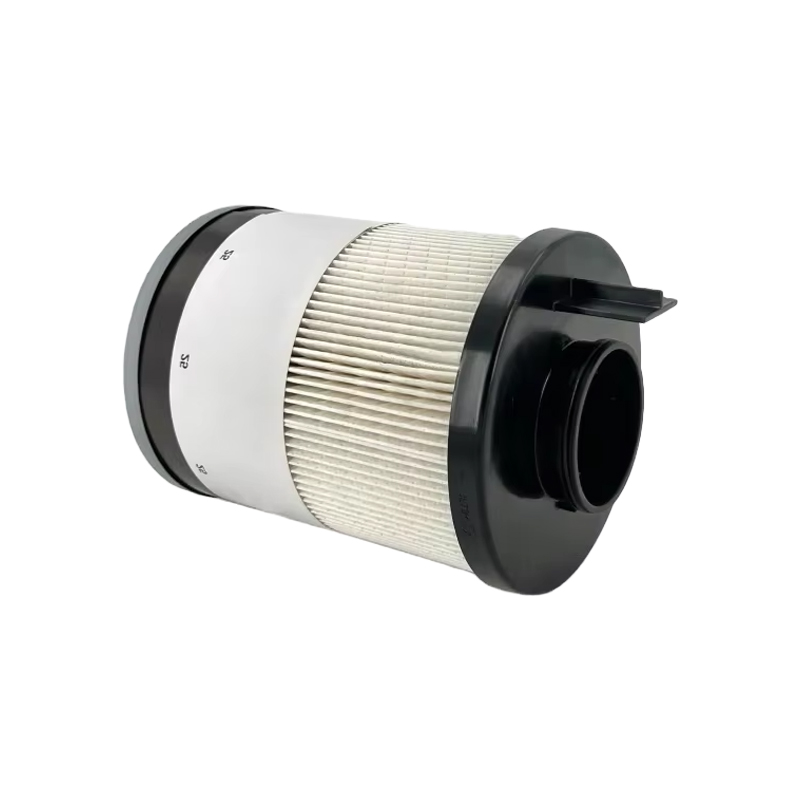
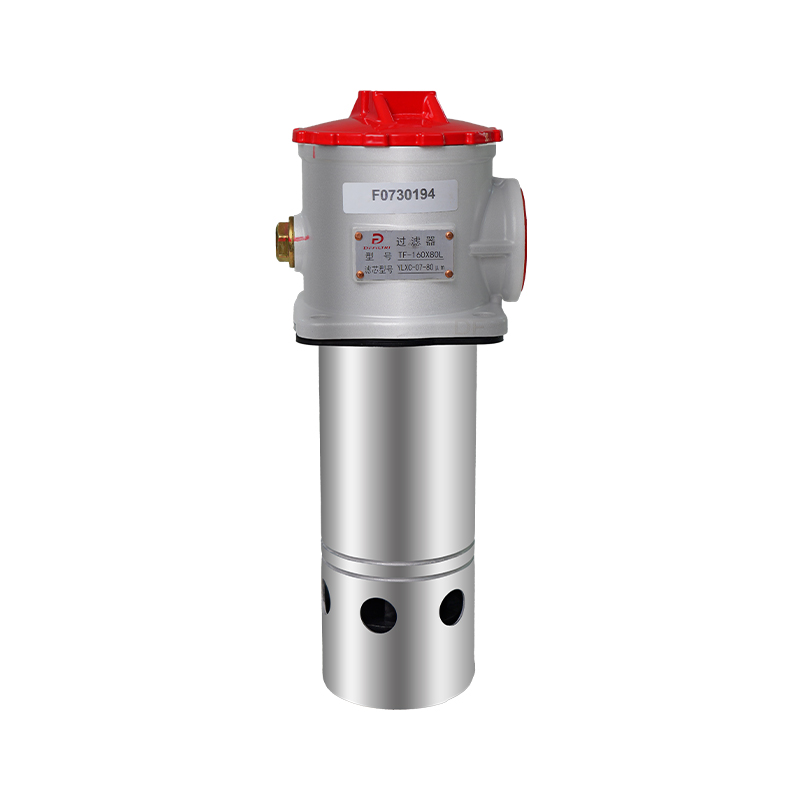
During cleaning, the pressure output is unstable. First, check if the cleaning liquid level in the storage tank is too low. After replenishing the liquid, check if there is any air mixed in the high-pressure pump inlet pipeline. Open the pressure relief valve to discharge the accumulated air in the pipeline, and the pressure can be restored to stability; The impurities in the cleaning solution increase rapidly. Check if the built-in circulation filter is blocked by large volume impurities. Remove the filter and clean the surface impurities to restore the circulation effect; After cleaning the filter element, the flow capacity has not been restored. Check if only external surface flushing is performed. Use reverse pulse mode to flush from the inside of the filter element outward to fully clean the impurities inside the pores; There is a leakage at the bottom of the body. Check if the drain valve of the storage tank is not tightened and if the clamps of the pipeline joints are loose. Once they are tightened, the leakage can be eliminated.
 EN