 EN
EN

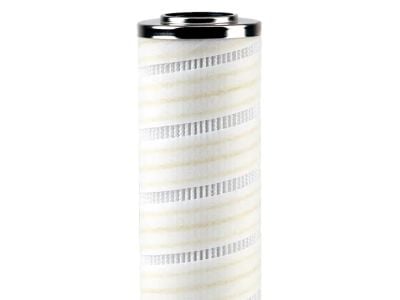
Water contamination in wind power hydraulic systems is a big issue that can damage the machines and the environment too. Wind turbines rely on hydraulic systems for their movement and operation. When water mixes in these systems, it causes major problems. It leads to rust, which hurts parts and makes them wear out quicker. This gets expensive and means the turbines do not perform as well as they should. So, it's key to keep systems clean and dry. DFFILTRI tries hard to solve this problem, helping wind companies keep hydraulic element systems safe and running smoothly.
What Are the Best Ways to Fix Water Contamination in Wind Power Hydraulic Systems?
The top way to handle water contamination in hydraulic systems is by preventing it first. One good method is to use filters. DFFILTRI provides special filters made to catch water and other bad particles before they go into the system. These filters trap water in a material that lets oil pass but blocks the water. And regular upkeep is very important. Checking and replacing filters often keeps the hydraulic filter element systems in good condition. Another fix is using waterproof seals. They help stop water from getting in, especially during storms or heavy rains. With this, using the right oil matters too. Some oils resist water better than others. Picking the correct one can make a big difference in keeping the system healthy. That's why training workers to spot signs of water early is needed. The quicker they find it, the easier it is to repair. By mixing these fixes, wind companies can lower the chances of water contamination a lot.
What Common Water Issues Hit Wind Power Hydraulic Systems?
Water can enter hydraulic systems in many ways. One usual problem is leaks. If cracks or holes exist, water seeps in. This happens from wear or bad setup. Another is condensation. When temperatures change, water vapor forms inside and becomes liquid. This is worse in humid places. Sometimes water comes through vents that are not sealed right. So good sealing matters. Also, the wrong oil type causes trouble. If the oil does not resist water, it mixes and makes sludge that clogs filters and hurts parts. Checking the oil regularly for contamination signs is a must. In addition, poor upkeep leads to problems. If filters are not changed or cleaned, they clog and let water through. DFFILTRI stresses regular checks to catch issues soon. Understanding these problems helps wind companies protect their systems from water.
How to Spot and Fix Water Contamination in Wind Power?
Water contamination in wind power hydraulic systems can be a major headache. Hydraulic systems are important because they control turbine movements. If water enters, it causes damage and makes turbines less efficient. To spot it, do regular checks of the fluid. The fluid should look clean and clear. If it is cloudy or milky, water may be there. Use tools to measure the amount of water in the fluid. They give exact readings and show if a problem exists.
Once it is found, act fast. First, stop the system to avoid more damage. Then drain the bad fluid and put in a new, clean one. Find out how the water got in, like through leaks or broken seals. Fix them to stop future issues. Installing filters from DFFILTRI can help too. They catch water and particles, keeping the system clean. Regular upkeep and checks are key for smooth operation and avoiding big repair costs.
What Latest Trends for Water Fixes in Hydraulic Systems?
Lately, there are many cool trends in fixes for water contamination in hydraulic systems. A big one is advanced filter setups. These remove water plus dirt, rust, and other bad stuff. Companies like DFFILTRI lead this by making filters more effective and longer lasting. Another trend is using water-grabbing fluids. They soak up any water that sneaks in, keeping the fluid clean and working.
In addition, smart technology is getting common in hydraulic systems. New ones have sensors that detect water early. The sensors alert operators so they can fix the problem before it gets worse. This makes managing systems easier and helps them run better. There is also a focus on training. Companies invest in teaching staff to spot and stop contamination. This knowledge is vital for good hydraulic filters systems. Overall, the trends show the industry is moving toward smarter ways to solve water problems.
Where to Get Good Water Treatment for Wind Power?
Getting high-quality water treatment for wind power hydraulic systems is key. Choose trusted sources when looking. Start with companies that specialize in hydraulic systems and water treatment. DFFILTRI is known for good filters and solutions. Their products are made for contamination in hydraulic systems, making them great for wind power use.
Another way is to attend trade shows and meetings. They showcase new technology and solutions. Go there to learn about products and talk to experts for advice. Online searches help too. Websites have information, reviews, and case studies to help decide what fits your needs.
Last, network with wind power professionals. Join groups or forums to hear experiences and tips on quality treatments. These steps help ensure the best solutions for clean and efficient hydraulic systems.
Table of Contents
- What Are the Best Ways to Fix Water Contamination in Wind Power Hydraulic Systems?
- What Common Water Issues Hit Wind Power Hydraulic Systems?
- How to Spot and Fix Water Contamination in Wind Power?
- What Latest Trends for Water Fixes in Hydraulic Systems?
- Where to Get Good Water Treatment for Wind Power?