 EN
EN

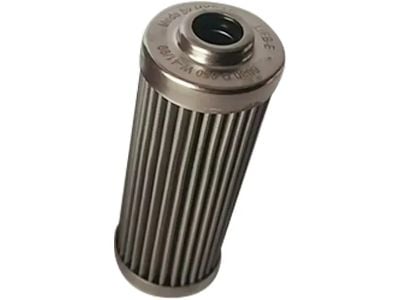
Wind power is getting really popular because it helps us create energy without dirtying the air. But machines, just like people, struggle when temperatures shift a lot. Wind power filter systems are key since they clean the air going into turbines. If these don't perform well in hot or cold conditions, the turbines might get damaged and produce less energy. DFFILTRI understands how to build these systems tough enough for weather changes. So, let's see what makes a solid wind power filtration element system and some troubles in extreme temperatures.
What to Look for in Wind Power Filter Systems for Temp Toughness?
When choosing a wind power filter system, you should know the features that help it deal with various temperatures. First off, the materials used for the filters need to be durable. Like, filters made from special plastics can stand heat and cold without falling apart. And the filter design is another thing. It lets air flow easily while grabbing dust and dirt. That's important because stuck dirt blocks airflow and harms the turbine. DFFILTRI makes filters that are effective and sturdy for temperature swings.
It's also vital that the system adapts to quick temperature changes. Weather sometimes goes from freezing to hot in hours. A bendy system handles these without losing performance. DFFILTRI engineers test Replacement filter element in different setups to make sure they work fine. Regular upkeep is key too. Systems that are checked and cleaned often last longer and run better. Look for companies with simple maintenance options.
Having a warranty is smart too. If extreme temperatures cause issues, a solid warranty saves time and cash. DFFILTRI offers warranties covering this because they trust their product quality. In short, for wind power filter systems, aim for tough materials, clever design, flexibility for temperature changes, routine maintenance, and a good warranty. These keep the system going in any weather.
Common Problems with Wind Power Filter Systems in Extreme Temps
Even the top wind power filter systems face issues in harsh temperatures. One usual problem is freezing. When it gets cold, moisture turns to ice and clogs the filters. This stops air from reaching the turbines, so they can't operate right. In freezing areas, heaters or special designs prevent ice. DFFILTRI designs filters with this in mind, so they stay working in cold weather.
Another trouble is overheating. In hot spells, systems get too warm, and parts expand or break. This happens more if the system works hard. DFFILTRI uses materials that can take high heat to avoid this. Regular inspections and cleaning are needed to keep the filters in good shape. Dust builds up fast in hot weather, blocking airflow and making turbines less effective.
Sometimes folks skip maintenance during extreme weather. They think the filters are okay, but without checks, issues arise. Lack of care leads to expensive repairs or full replacement. That's why DFFILTRI stresses regular inspections. Training workers helps them spot problems early.
In harsh temperatures, the right filter system is key for wind power to work. Knowing the common troubles and fixes helps keep turbines running smoothly and producing clean energy without interruptions.
How to Make Better Wind Power Filter Systems for Changing Weather?
Wind power is a big energy source, but it must handle weather shifts well. At DFFILTRI, we know filter systems need to be sturdy and clever for different temperatures. First, use special materials that resist heat and cold. For instance, Hydraulic filter element made from materials that hold up in hot or cold conditions make them last longer. Also, designing them for easy cleaning is good because dirt buildup makes filters fail. So, ways to clean them without a full teardown help a lot. Next, add sensors to monitor performance. They alert you if the filters are dirty or the temperatures are off. With this information, you can fix issues before they become big.
In addition, build systems that can take strong winds and rain. Make them tough and place them in safe locations. At DFFILTRI, we test them in various weather conditions first to see their real performance.
Lastly, training workers is key. They need to know about monitoring and maintenance, especially during bad weather. By following these steps, filter systems work no matter the climate.
Where to Get Good Wind Power Filter Systems for Harsh Weather?
Finding the right wind power filter systems for extreme weather matters a lot. At DFFILTRI, we provide quality systems built to endure. To pick the best one, consider some points. First, choose a company with a solid reputation, meaning they have made reliable products before. Check reviews or ask others.
Next, ensure the systems are designed for harsh conditions like heat, cold, and rain. DFFILTRI filters handle all that. Pick systems that are easy to install and use too because complicated ones take more time and cost more.
A warranty is another factor. A good one means the company will fix it if it breaks, which is important in tough weather.
Finally, chat with the company experts. At DFFILTRI, our team answers questions and helps you pick the best system for your needs. Advice from professionals leads to better choices. Sourcing from a reliable company like DFFILTRI gets you systems that perform well in extreme conditions.
Best Ways to Maintain Wind Power Filter Systems in Tough Climates
Keeping wind power filter systems in harsh climates is important for proper operation. At DFFILTRI, we think regular checks are the core of maintenance. Like car oil changes, these systems need frequent inspections. Start with a maintenance schedule, including cleaning times and full inspections. Sticking to it helps catch problems early.
Cleaning the filters often is another good practice. In bad weather, they get dirty quickly from dust or snow. DFFILTRI suggests gentle methods, like using compressed air to blow dirt out without causing damage.
Watching weather forecasts is smart. Knowing storms are coming lets you prepare, maybe by cleaning more often or securing parts.
Training the team is vital. They should know how to care for the systems and spot problems. Regular training sessions keep them up to date.
Keep spare parts ready too. This lets you fix problems quickly if something breaks, with no long wait. Overall, these practices ensure DFFILTRI systems run well in the toughest conditions.
Table of Contents
- What to Look for in Wind Power Filter Systems for Temp Toughness?
- Common Problems with Wind Power Filter Systems in Extreme Temps
- How to Make Better Wind Power Filter Systems for Changing Weather?
- Where to Get Good Wind Power Filter Systems for Harsh Weather?
- Best Ways to Maintain Wind Power Filter Systems in Tough Climates