 EN
EN

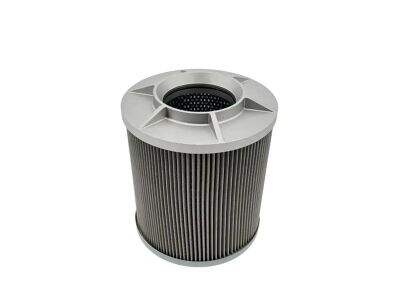
In the aerospace field, keeping stuff clean is really important, especialy for filtration systems. These systems make sure air and liquids going into planes are free of bad particles. Contamination can cause troubles for the plane and passengers inside. At DFFILTRI, we understands how vital it is to handle contamination good. By using best methods, we can help planes stay safe and work smooth. This piece discuss some top ways to deal with contamination in aerospace filtration and usual problems that pop up.
What Are the Best Practices for Managing Contamination in Aerospace Filtration?
Handling contamination in aerospace filtration is about being careful and clever. First off, one key thing is to check and swap filters regular. Filters get dirty as time goes, and if not replaced, they can't work right. For example, a blocked filter can limit air flow, making the engine push harder and burn extra fuel. Second, picking right stuff for filters is very key. Strong materials can take high pressure and heat, which common in planes. It's also good to clean around where filtration setups are. Dirt and dust sneaks in easy, so cleaning help prevent that. And third, train workers who deal with these systems is essential. They should know how contamination occur and ways to stop it. Sessions on training can teach new tricks and tech in filtration. Last, track maintenance and checks can spot issues early. If filter look contaminated, replace it before big problems. With this, firms like DFFILTRI ensure planes safe from contamination and run well.
What Common Contamination Issues Are Faced in Aerospace Filtration?
Many kinds of contamination problems hit aerospace filtration systems. One usual is dust and dirt particles. These small bits come from outside or even plane interior. When dust enter filters, it clogs them and blocks air or fluid flow. Another issue is water. Moisture can make filters swell or break, causing leaks and fails. In wet places, this get worse. Oil mixing in is big worry too. Oil from motors and machines can harm filters and hurt how they work. It's like breathing thru a oily straw; it just don't go good. In addition, tiny bugs like bacteria and fungi grow in filters if not cleaned right. They form tough layers that's hard to remove and spread more dirt. Human mistakes can cause it as well. If worker skip steps when swapping filters or cleaning, new contaminants get in. Knowing these help companies like DFFILTRI build better filters that handle challenges and keep planes flying safe.
How to Evaluate Aerospace Filtration Products for Contamination Resistance?
Picking filtration stuff for aerospace, you need to check how they resist contamination. It can harm planes and make serious trouble. Start by looking at materials in filters. Good ones use quality stuff that blocks small particles and fluids. Also check the filter rating. This show how well it removes different particle sizes. Higher rating mean better guard. Next, think on the design. Some designs trap dirt better without letting thru. A smart design catch particles instead of pass them. That's why reading reviews or asking experts about the products is useful. They give info on real use performance. Plus, consider how long filters last before replace. Ones that endure more save cash and cut waste. DFFILTRI offer durable and effective products. Finally, ensure they meet standards for industry. This make sure safe and good for plane use. By these steps, you pick right products to keep aircraft clean and safe from dirt.
What Are the Latest Trends in Aerospace Filtration Contamination Management?
In aerospace filtration world, new trends help manage contamination better. One big trend is advanced materials for filters. These catch tinier particles and last longer, so less need to change often. Another is smart filters coming up. They watch themselves and warn techs when swap time. This keep planes smooth and safe. So, many firms like DFFILTRI focus on green filters. Made from recycle stuff, they cut waste and help earth. Recent trend include nano tech. It make filters grab even smallest bits that old ones miss. Last, more stress on training staff about handling contamination. Good education ensure everyone know right ways to manage filters for top work. Staying with these trends let aerospace teams protect planes better, for safer and efficient flights.
How to Implement Best Practices for Aerospace Filtration in Your Operations?
Putting best practices into your aerospace filtration ops is key for good contamination control. First, make a plan that list steps for filter care. It should have regular looks at all systems. Checking often catch issues before they grow. Next, train team on install and remove filters proper. Handling right stop dirt during that because mistakes happen easy. Keep a log of changes and how filters do. This info spot patterns and help decide system tweaks. DFFILTRI suggest checklists to follow all maintenance steps. Another practice is set cleaning times for filter areas. Clean spots prevent particles entering. Also, use new tech like monitors for filter check. They give live data for smart choices on needs. Finally, review practices now and then. As new methods come, update to keep best systems. Following this, your ops run good and safe from contamination.
Table of Contents
- What Are the Best Practices for Managing Contamination in Aerospace Filtration?
- What Common Contamination Issues Are Faced in Aerospace Filtration?
- How to Evaluate Aerospace Filtration Products for Contamination Resistance?
- What Are the Latest Trends in Aerospace Filtration Contamination Management?
- How to Implement Best Practices for Aerospace Filtration in Your Operations?