 EN
EN

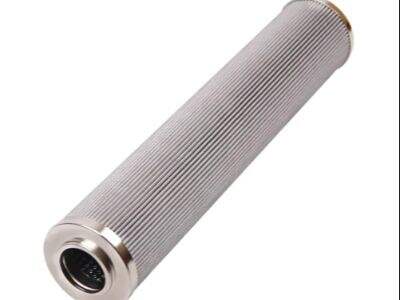
Choosing the right industrial filter for your business is very important. Filters help keeps machines running smooth by removing dirt and other unwanted particles from air, water, and fluids. Making right choice can save money and time in long run. At DFFILTRI, we know that every business have unique needs. That's why we want to help you find the best filter for your situation. This guide will share important things to think about when picking an industrial water filter, some common problems that can happen with filters, and how to fix them. Let’s dive in.
What to Consider When Choosing Industrial Filters for Your Business
When picking an industrial filter, you need to think about several key factors. First, consider the type of fluid you want to filter. Is it air, water, or oil? Different filters works better with specific fluids. For example, if you are filtering water, you might need a filter that removes small particles, like sand. Next, you should look at the size of the particles you want to catch. Filters have different ratings for how fine they can filter. A filter with a higher rating will catch more tiny particles, but it may also slow down the flow of fluid. This can be a problem if you need high flow rates for your machines. Another important thing is the filter’s material. Some filters are made of paper, while others are made of metal or synthetic stuff. The right material can change how well the filter works and how long it lasts. You also need to think about the environment where the filter will be used. Will it be hot, cold, or humid? Some filters work better in specific conditions. Lastly, consider your budget. While it might be tempting to pick the cheapest option, sometimes spending a little more on a quality filter can save you money later. A good filter can last longer and reduce maintenance costs. At DFFILTRI, we have a variety of filters to fit different needs. Our team is ready to help you find the right one.
Common Usage Issues with Industrial Filters and How to Resolve Them
Even the best filters can face problems. Knowing these issues can help you fix them quickly. One common issue is clogging. When a filter gets full of dirt, it can't catch more particles. This can slow down machines or even cause them to break. A good way to avoid this is to regularly check and clean or replace your filters. You should have a schedule for this, so you never forget. Another problem can be leaks. If a filter does not fit properly, fluids can escape. This can be messy and wasteful. Make sure your filters are installed correctly and check for any leaks often. If you notice a leak, tightening the connections or replacing the filter may be necessary. Sometimes, filters can also wear out faster than expected. This could be due to the wrong filter being used or harsh conditions. If you find that your filters are failing too quickly, it may be time to reassess your choice. Talk to experts at DFFILTRI to find a more suitable option. In addition, some users might not know how to monitor filter performance. Keeping an eye on how well your filter is doing can help catch problems early. Using gauges and monitoring devices can help ensure that your filter is always working as it should. If you face any issues, don’t hesitate to reach out. We want to help make sure your equipment stays in great shape.
What Are the Different Types of Industrial Filters and Their Applications?
Industrial filters are tools that help clean liquids and gases in many different industries. They work by removing unwanted particles, dirt, and other things that can make products unsafe or dirty. There are several types of industrial air filter, and each type has special uses. One common type is the bag filter. This filter uses a bag, usually made of fabric, to catch dirt and particles as water or air passes through. Bag filters are often used in food processing, water treatment, and factories where air needs to be clean. Another type is the cartridge filter. This filter is shaped like a tube and can be made from fabric, paper, or other materials. Cartridge filters are great for cleaning small amounts of liquid and are commonly used in laboratories and small manufacturing setups. Then there are HEPA filters, which stand for High-Efficiency Particulate Air filters. These filters are super good at catching tiny particles, like dust, and are often used in hospitals and clean rooms where air quality is very important. Lastly, we have activated carbon filters. These filters use charcoal to absorb bad smells and chemicals in liquids and gases. They are popular in water treatment plants and air purifiers. At DFFILTRI, we provide a variety of filters to fit specific needs across different industries, ensuring that every application has the right tool for the job.
What Buyers Need to Know About Industrial Filter Specifications
When buying an industrial filter, it’s important to understand the specifications, or the details, that describe how the filter works. First, you need to know the filtration rating. This rating tells you how small the particles the filter can catch are. A filter with a lower rating can catch smaller particles, while a higher rating is for bigger ones. Next, consider the flow rate. This tells you how much liquid or air can pass through the filter in a certain amount of time. If you need to filter a lot of material quickly, you will want a filter with a high flow rate. Another important specification is the material of the industrial oil filter. Different materials work better for different applications. For example, some materials can handle hot liquids while others can’t. So, knowing what your filter will be used for helps in choosing the right one. Also, think about the size of the filter. It should fit well in the space you have and match the pipes or equipment it will connect to. Lastly, look for certifications. Filters can have certifications that show they meet certain safety and quality standards. At DFFILTRI, we offer detailed specifications for all our filters, helping buyers make informed decisions to ensure they choose the right filter for their needs.
How to Maximize Efficiency with the Right Industrial Filter Solutions
Choosing the right industrial filter is just the start. To really get the most out of your filter, you need to use it properly and keep it maintained. First, make sure you install the filter correctly. Follow the instructions carefully, and if you have questions, don’t hesitate to ask for help from experts at DFFILTRI. Once installed, regularly check the filter for signs of dirt or blockages. A clogged filter can slow down the flow of liquid or air and make your equipment work harder, which wastes energy. Also, keep a schedule for changing the filter. Different filters have different lifespans, so knowing when to replace yours is key to keeping things running smoothly. Another tip is to match the filter to the specific job it needs to do. For example, if you notice that your air quality is not improving, you might need a different type of filter, like switching from a bag filter to a HEPA filter. Finally, consider training your team on the importance of filters and how to use them correctly. When everyone understands how filters work, they can help keep things running efficiently. At DFFILTRI, we believe that proper use and maintenance of our filters can lead to better performance and longer lifespan, ensuring you get the best value for your investment.
Table of Contents
- What to Consider When Choosing Industrial Filters for Your Business
- Common Usage Issues with Industrial Filters and How to Resolve Them
- What Are the Different Types of Industrial Filters and Their Applications?
- What Buyers Need to Know About Industrial Filter Specifications
- How to Maximize Efficiency with the Right Industrial Filter Solutions